
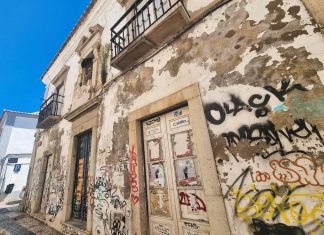
Casa do Compromisso Marítimo: Faro’s Seafarers’ House
Casa do Compromisso Marítimo in Faro preserves the story of the city’s medieval fishermen and sailors, their mutual-aid brotherhood and the maritime community.
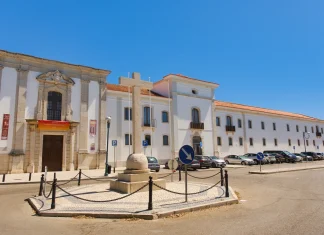
The Church and Monastery of São Francisco
The Church and Monastery of São Francisco in Faro stand among the city’s most historically layered and architecturally intriguing religious sites
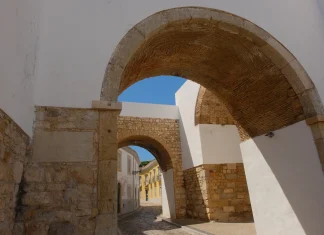
Arco do Repouso: Faro’s Historic Old Town Gateway
A 12th-century Almohad gateway in Faro's Old Town, wrapped in legend and crowned with a hidden 18th-century chapel.
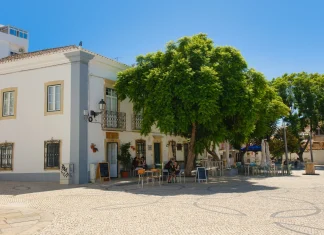
Largo Pé da Cruz: Faro’s Quiet Square
This square is where Faro's everyday life quietly unfolds — cobblestones, a modest church, and terraces full of local flavor.
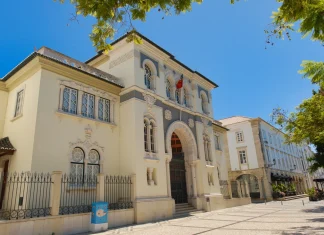
The Bank of Portugal Building
Facing Faro's marina and garden, the Bank of Portugal building is one of the city's landmarks — a 1926 Neo-Manueline design blending Portuguese revivalism with Moorish-inspired details.
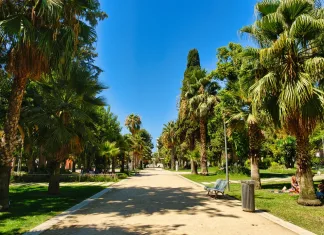
Jardim da Alameda: a Green Space for Relaxation
In the bustling town of Faro Jardim da Alameda, offers locals and visitors a tranquil retreat.
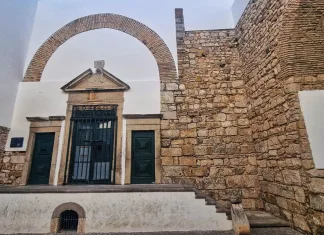
Arco do Repouso: Faro’s Historic Moorish Archway
A 12th-century Almohad-era archway in Faro's Old Town, steeped in Reconquista history and local legend, that still anchors the city's historic quarter today.
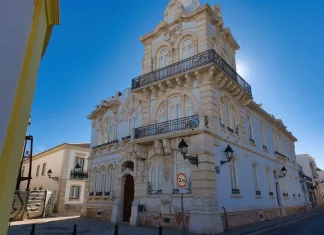
Palacete Belmarço: Faro’s Forgotten Belle Époque Gem
Palacete Belmarço is an early 20th-century eclectic mansion in Faro that showcases the city's brief flirtation with bourgeois modernity
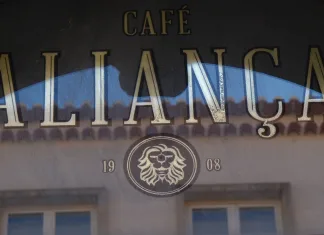
Café Aliança
A century-old café in Faro that has closed, reopened, closed, and again reopened — and once, briefly, dared to broadcast the BBC to a city under dictatorship.
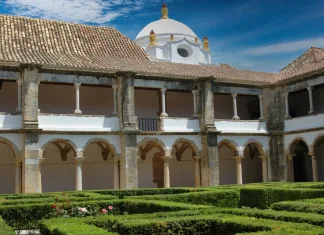
Municipal Museum of Faro
Nestled in the heart of Faro’s Old Town, the Museu Municipal de Faro — once referred to as the Museu Municipal do Algarve —...
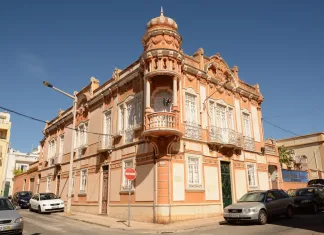
Vivenda Marília: An Art Nouveau Historic Residence
Vivenda Marília is an example of early twentieth-century Portuguese residential architecture built during a period of urban expansion.
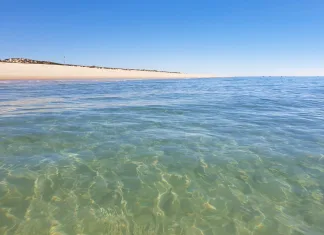
Day Out in Olhão and Culatra Island
A quick market stroll and old-town wander in Olhão, a short ferry ride to the unspoiled beaches of Culatra Island, then back for fresh seafood by the harbor.