If you’ve only got a day or two in Faro, you’ll naturally want to make the most of it. As a local, I’m here to lay out what I think is the best way to spend that time. In short, this plan combines a visit to Olhão — the great little neighboring town just 5km from Faro — a trip across the Ria Formosa, a fishing village on an island, and of course, some beach time. All without skipping the essentials of Faro itself. I think we can all agree it makes for a beautiful day, mixing different vibes and experiences.
Why Visiting Olhão? Isn’t it like Faro?
Although Faro and Olhão are separated by just a few kilometers and share the stunning backdrop of the Ria Formosa lagoon, their essential differences run deep, touching the very soul, history, and attitude of each place. One is a noble administrator while the other is a rebellious seafarer, creating a fascinating contrast between two neighbors that look at the same water but see entirely different worlds.
Faro’s noble, administrative mind contrasts with Olhão’s rebellious, seafaring soul. Faro is the ancient capital, shaped by Roman, Moorish, and Christian rulers, where the walled old town of Vila Adentro and its elegant palaces still reflect the weight of history and governance. In contrast, Olhão was born out of defiance, starting as a collection of fishermen’s huts built on the sand against the wishes of the authorities.
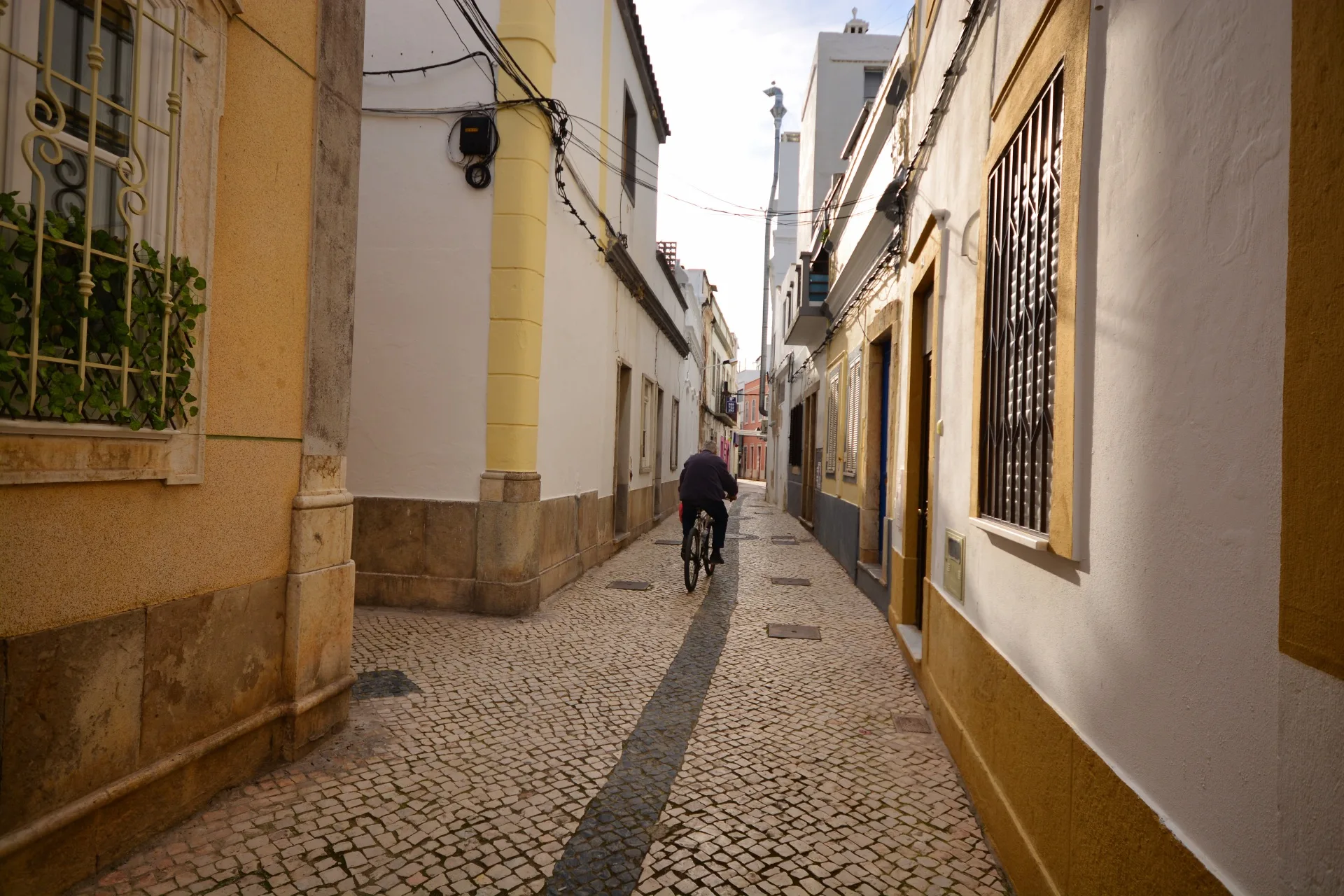
This historical divide is visually striking in the architecture of both cities. Faro represents a classical European aesthetic with organized cobblestone streets, baroque facades, and traditional sloped rooftops. Olhão looks like a North African medina, a cubist labyrinth of whitewashed, flat-roofed houses connected by narrow, winding alleys. These flat roofs, known as açoteias, were built for survival, serving as platforms to dry fish and places where wives could scan the horizon, praying for their husbands to return from the treacherous ocean.
The daily rhythm of the two cities also reflects this contrast of intellect versus manual labor. Faro is a cosmopolitan, academic hub home to the regional university and government offices, giving it a polished, international vibe filled with students and civil servants. Olhão remains unapologetically blue-collar and raw, its heart beating in the busy fishing port and the iconic red-brick waterfront markets where the air smells of salt and grilled fish, and life is dictated by the tides.
Finally, their connection to the barrier islands highlights their differing philosophies. Faro has a main beach connected to the mainland by a road bridge, allowing you to drive right up to the sand alongside traffic. In Olhão, accessing the islands is a sacred ritual that requires boarding a ferry, preserving a wild, car-free insularity on the pristine sands of Armona, Farol, or Culatra. Faro is ultimately the rational mind and civic center of the region, while Olhão is the wild heart and stomach of the Algarve, offering the raw, unfiltered pulse of a community that has always belonged entirely to the ocean.
From Faro to Olhão
I’d recommend starting reasonably early. If you can be in Olhão by 9am, that’s ideal. From Faro, grab an Uber, a Bolt, or the train. Honestly, go with the rideshare apps. The trains aren’t frequent or reliable, and if you’re hoping for scenic views or a “local” experience, forget it — these days the regional train gets used by foreign tourists way more than locals. By a long shot. Meanwhile, the cost for two or three people works out to roughly the same either way. A Faro–Olhão ride should run about 10 Euros, sometimes less.
If you’ve got your own car, use the municipal parking. I’d recommend Parque Bela Olhão — it’s a bit further from the waterfront, but really convenient, almost always has covered spots, and is reasonably well monitored. Even though parking prices doubled in 2025, it’s still pretty affordable at 4 Euros for the whole day (2026 prices). Just note it’s only open from 8am to midnight, and only during peak season.
In Olhão: History and What to See
Once you’re in Olhão, explore the historic part of this interesting town, which has always been tied to the sea and fishing. To an outsider it might look like just another town in southern Portugal, but it has its own personality. While Faro settled into being the regional capital — drawing in military, judicial, and administrative types along with a lot of mid-level professionals — Olhão stayed true to its roots, with a more working-class population that’s always been devoted to fishing.
The history of Olhão is deeply rooted in fishing, maritime bravery, and a unique architectural heritage. Unlike many other cities in the Algarve that grew around Roman or Moorish fortifications, Olhão started as a humble, informal settlement of fishermen who lived in huts made of reeds and wood.
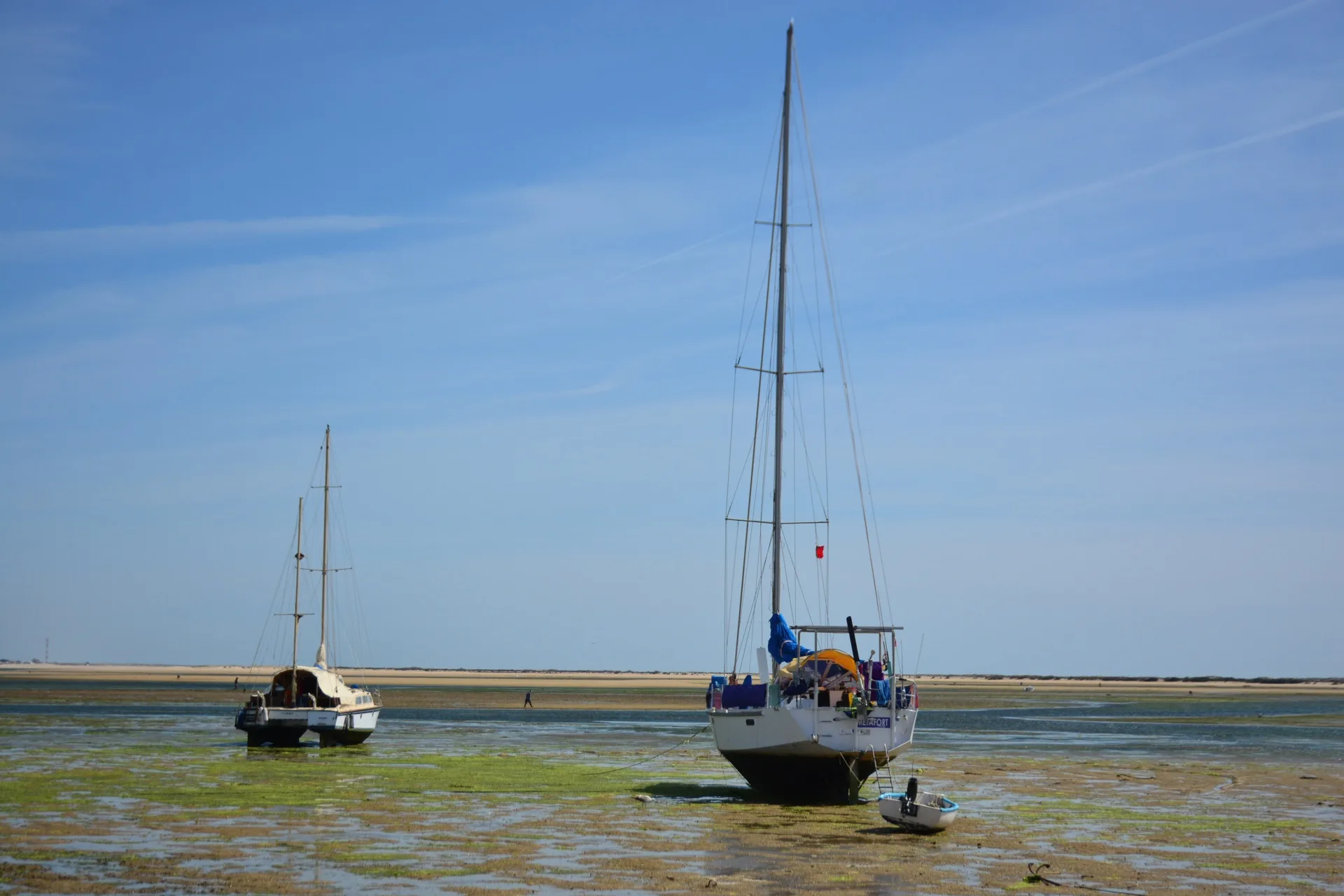
The turning point in its history occurred in 1808 during the Peninsular War, when Napoleon’s French troops occupied the region. The brave fishermen of Olhão rose up against the occupying forces and successfully drove them out of the town. Following this victory, a small crew of seventeen local sailors embarked on a daring and historic voyage across the Atlantic Ocean to Brazil in a tiny, undecked fishing boat called Bom Sucesso.
Their mission was to deliver the good news of the French defeat to the exiled Portuguese King, Dom João VI. In deep gratitude, the King elevated Olhão to the status of a town, granting it the official title of “Olhão da Restauração,” which paved the way for its rapid economic growth and the development of a booming fish canning industry in the late nineteenth and twentieth centuries.
The unique urban landscape of Olhão is heavily influenced by its historical trade connections with North Africa, giving the old town a distinct “cubist” look characterized by square, white, flat-roofed houses and narrow, winding streets. When exploring the city today, the first must-visit spot is undoubtedly the famous Olhão Municipal Markets. These twin red-brick and iron buildings, located right on the waterfront and opened in 1916, are the heart of the city’s daily life, offering an incredible variety of fresh fish, seafood, and local produce. Just behind the markets, you can lose yourself in the historic fishermen’s neighborhoods of Bairro da Barreta and Bairro do Levante,

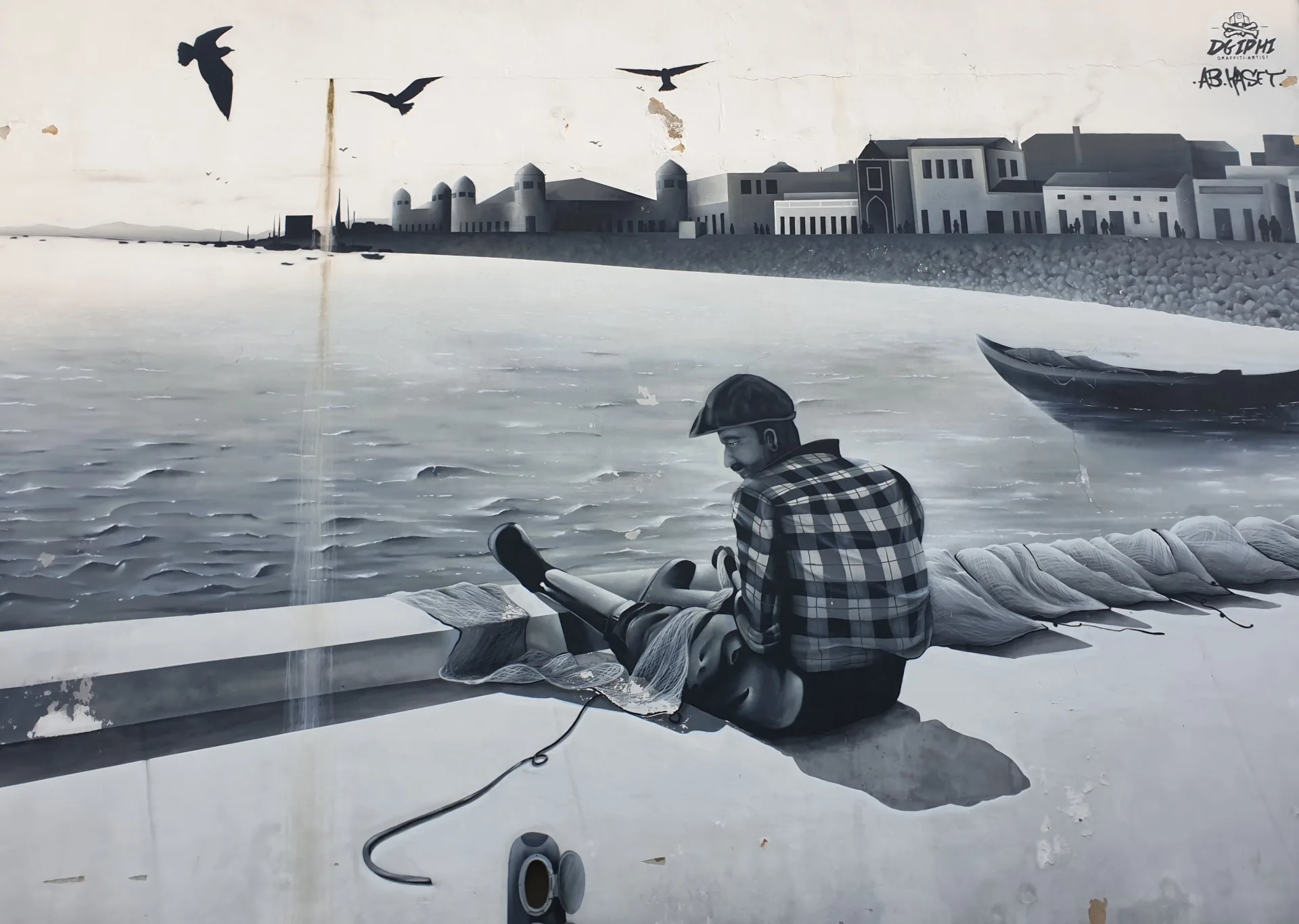
Look out for the sculpture collection that tells Olhão’s local legends, each with a panel in Portuguese and English explaining the story. Take time to appreciate the murals, the charming little taverns, the churches, and the alleys and narrow streets where a car wouldn’t even fit.
Also worth knowing: there’s nowhere better than Olhão for seafood. Always fresh, and served everywhere from budget spots to fancier places. You can also eat on the island you’re heading to next, but prices run a bit higher there (though don’t worry — that’s not “tourist pricing,” you’ll see plenty of locals eating at the island restaurants too).
Sailing to Culatra Island
Don’t get too distracted though! A boat leaves for Culatra at 11am, and you’ll want to buy tickets about 15–20 minutes beforehand. Tickets are very cheap. Worth noting: this isn’t a tourist boat — it’s public transport for the island’s residents. At the dock you’ll see two lines forming. Make sure you’re in the right one. It’s usually the one closer to the water, but if you’re not sure, just ask someone: “Culatra?”
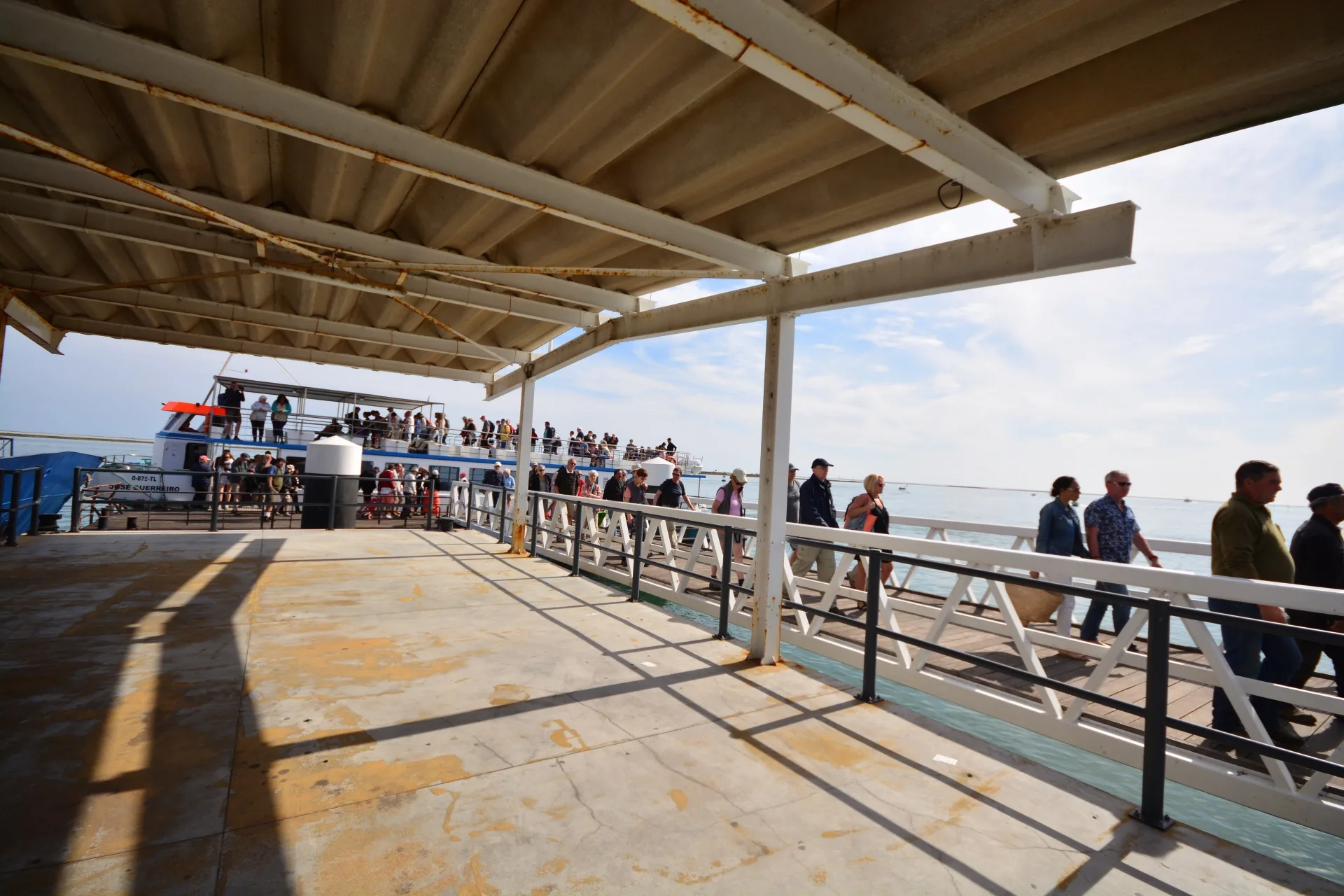
While you’re at it, go ahead and buy your return tickets too. There’s no real distinction between ticket types — if there are two of you, just buy four tickets total. Otherwise, you can always grab them on the way back.
If you miss the boat and still really want to go, there are taxi-boats available near the dock entrance, on the right as you’re coming from land. Prices are much steeper there: 40 Euros (for up to 5 people) each way. But with a bit of luck you might find people to split it with.The crossing takes about 30 minutes, at a nice slow pace — perfect for taking in the scenery, since you’re moving through part of the Ria Formosa Natural Park.
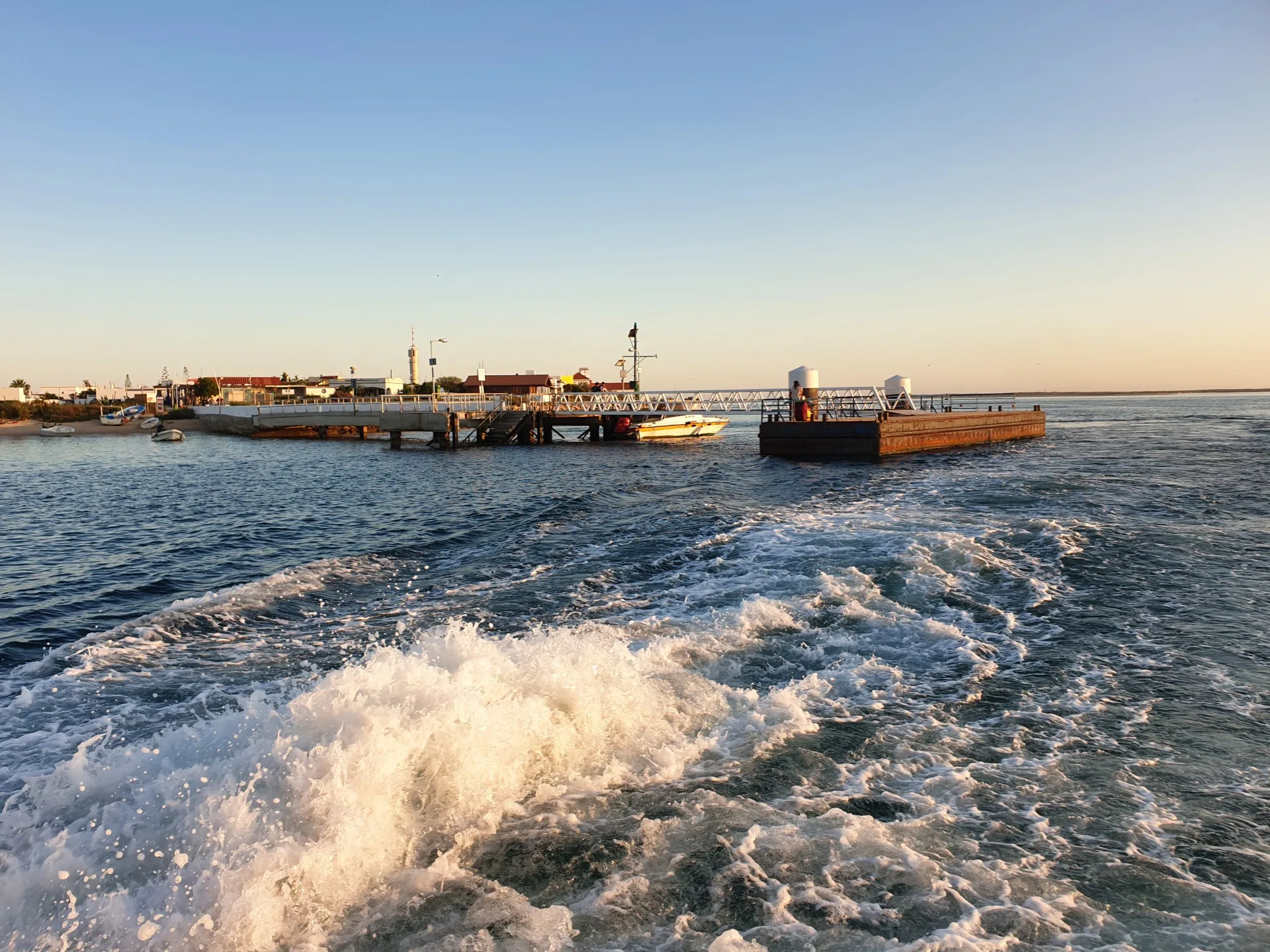
The route makes two stops: first at Culatra, then at the western tip of the island, where there’s a lighthouse (hence the name of that second stop, Farol). You’ll want to get off at the first one. On the way back, don’t be surprised if the boat seems to head the “wrong” way — it’s just swinging by Farol to drop off and pick up passengers before heading back to Olhão.
In Culatra Village
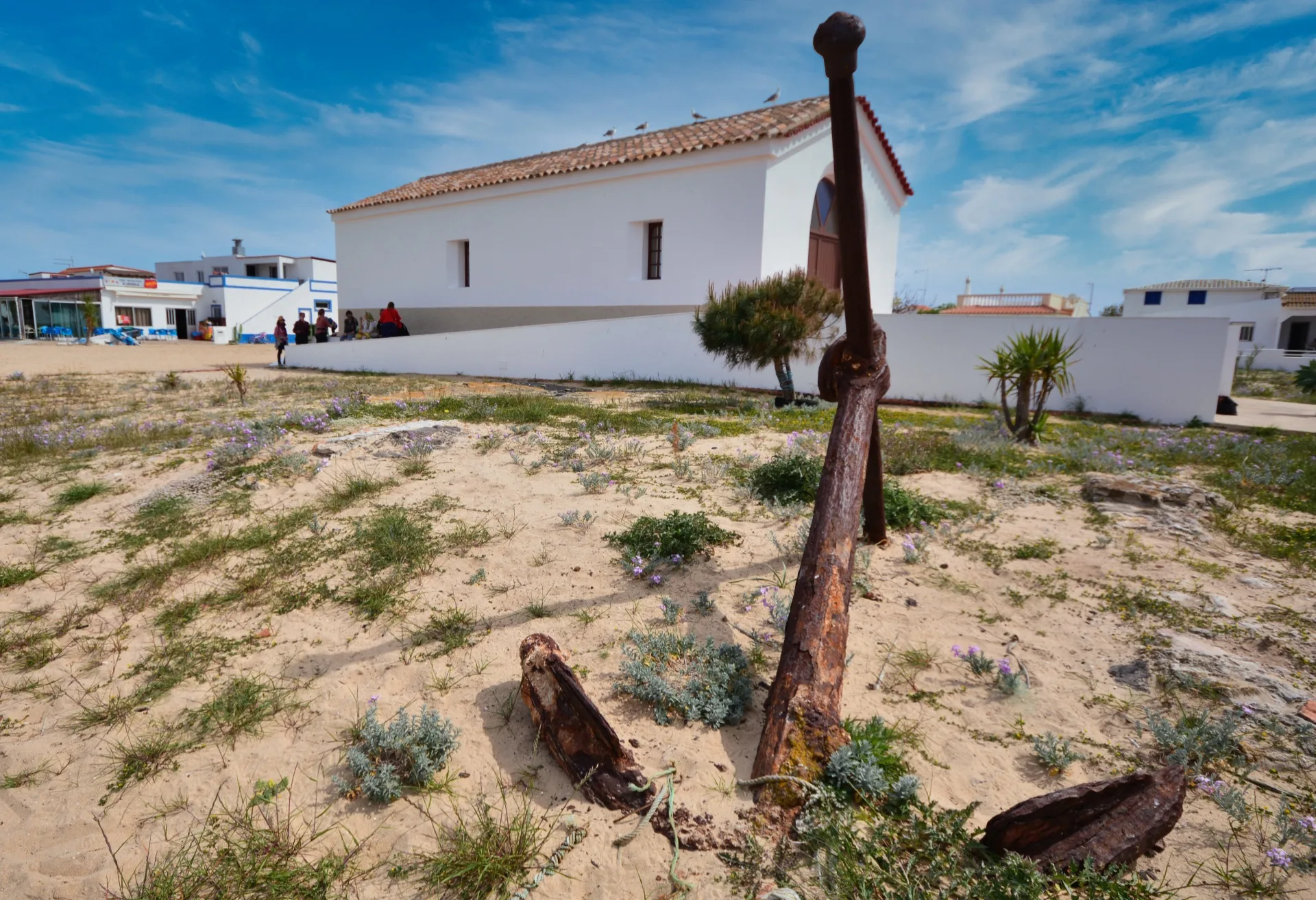
Arriving at Culatra, you’ll dock right next to the village. It’s a real fishing community — people still live and work there, alongside the tourists who show up every day for the gorgeous beach.
The story of the village began in the late 19th and early 20th centuries. Originally, the island was not permanently inhabited; it was simply a strategic spot used by fishermen from nearby Olhão and Faro. These fishermen would sail over to harvest shellfish or fish for tuna and sardines, setting up temporary, fragile shelters made of wood, reeds, and thatch to rest during the fishing seasons.
Over time, as the abundance of the lagoon and the ocean proved to be a reliable livelihood, some of these fishermen decided to stay permanently, bringing their families along and transforming these seasonal camps into a year-round settlement.
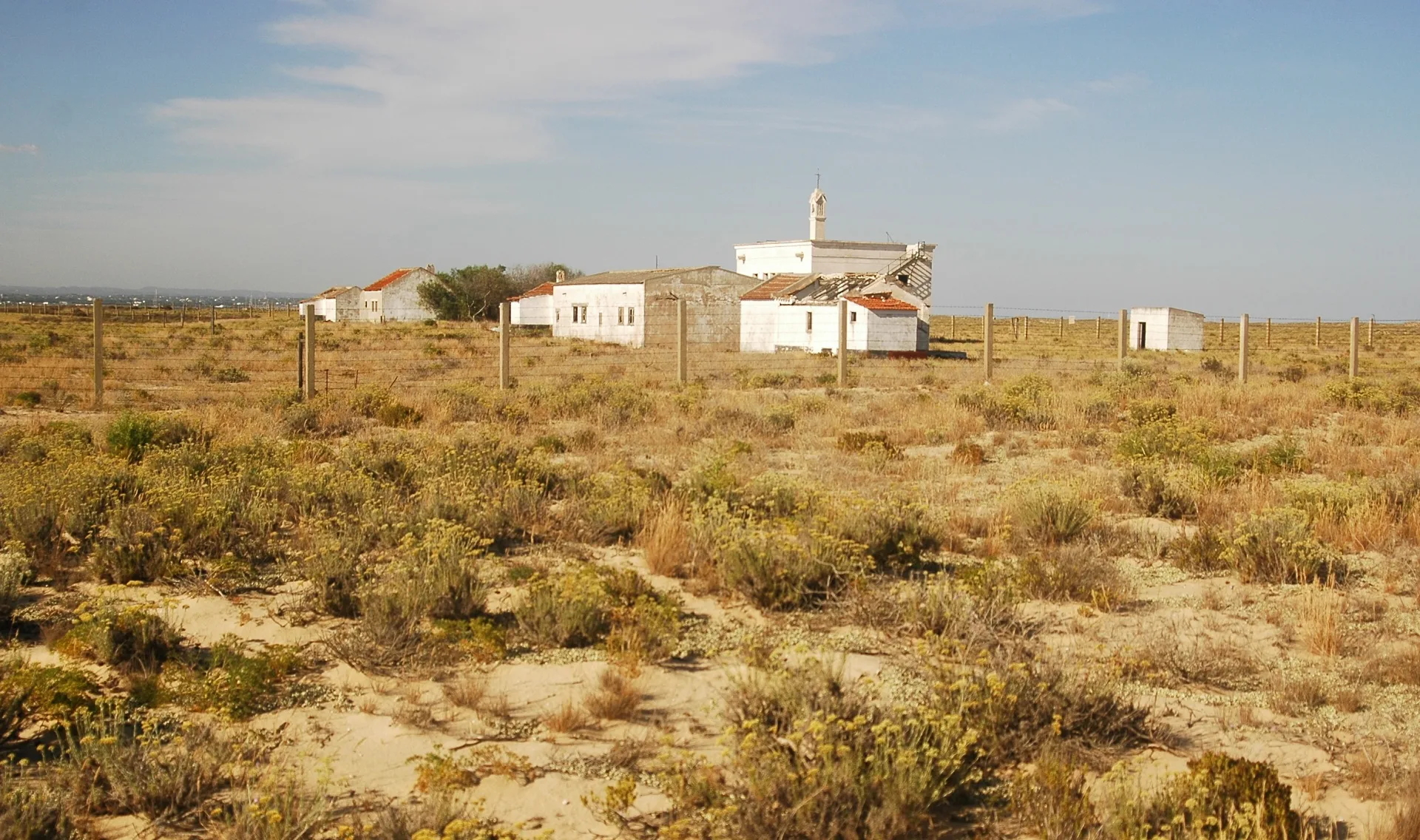
Living on Culatra in those early days was a true test of survival. The island was completely isolated, with no running water, electricity, or medical facilities, and the residents had to rely entirely on boats to connect them to the mainland. Furthermore, because the island is part of a public, protected natural reserve, the villagers faced decades of legal uncertainty and constant threats of demolition and eviction by the authorities. Instead of leaving, the community united.
They organized themselves, created local associations, and fought persistent legal and social battles to defend their homes. Through their sheer determination, they eventually secured the legal right to remain on the island.
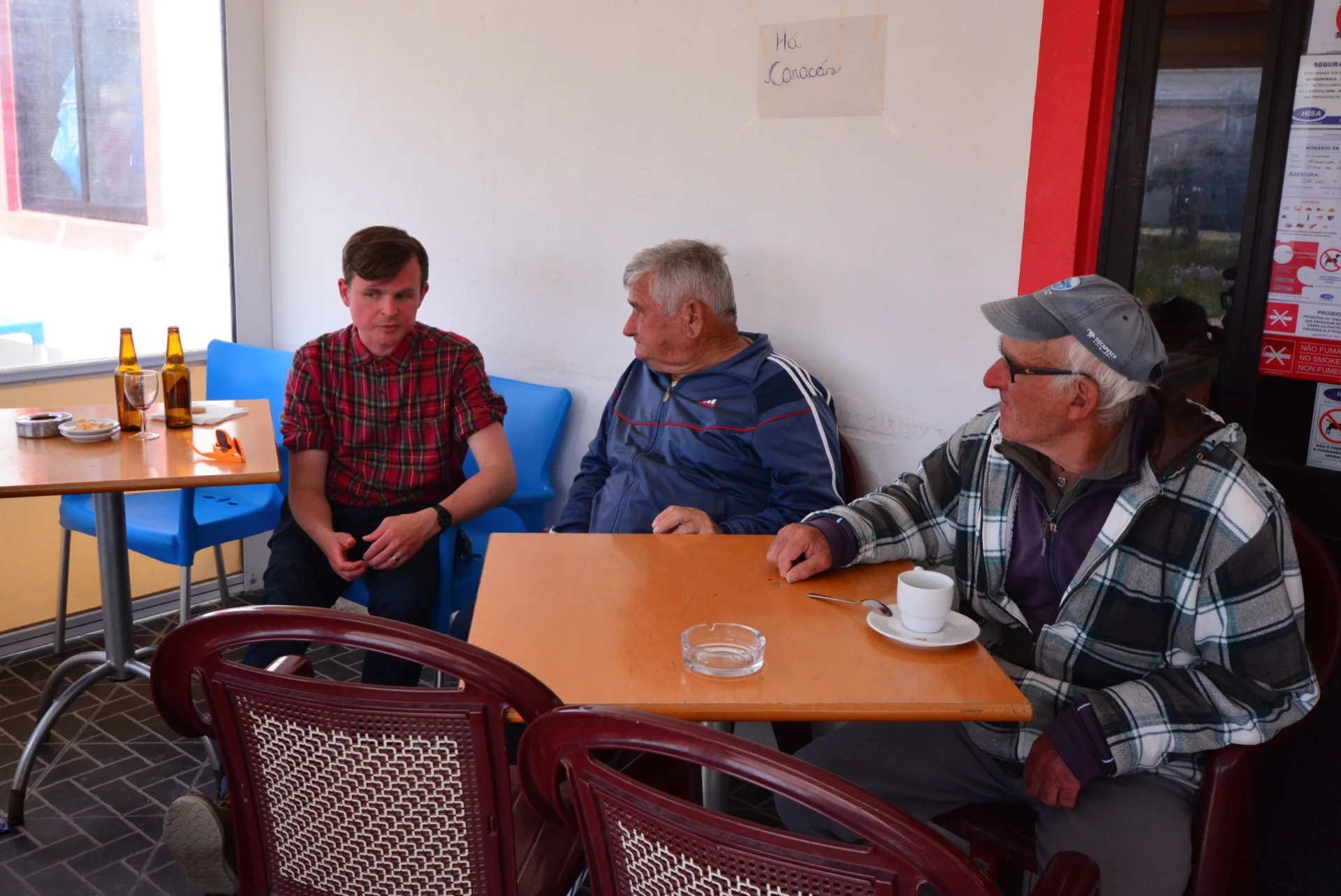
At a given moment, the population asked the authorities to build a heliport for emergency situations. Nothing was done. Later, they asked for permission to build it themselves. It was not granted. So, from one day to the next, the community came together and built it anyway. They did it in a single day so that the work could not be blocked.
There’s a small chapel where the older residents gather as a social hub, a primary school, a medical post, a post office branch, a senior center, and a community support group that, among other things, delivers meals to people who need them.
There are no motor vehicles on Culatra, aside from small utility vehicles based on motorbikes and tractors used for basic services like trash collection. Back in the day people just walked directly on the sand — nowadays there are concrete paths making it easier to get around on foot.
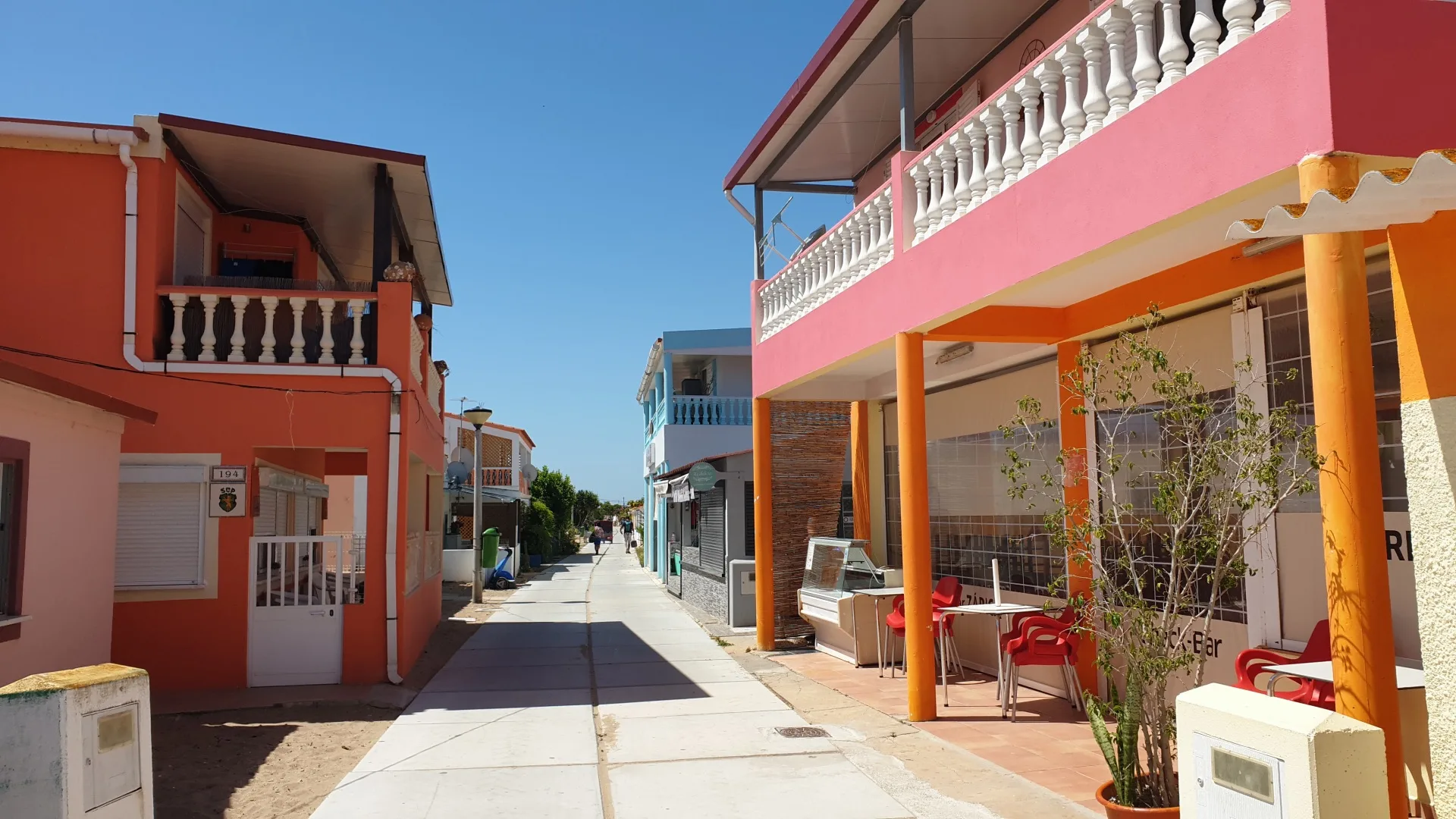
In the village you’ll find restaurants and small grocery stores. Along the main street connecting the dock straight to the beach — about a 1km walk — tourist-oriented shops have started popping up recently.
If you’re after something more authentic, skip that street and explore the back alleys and side paths instead — the cafés that actually serve the local community. Sometimes it might feel like you’re wandering into private property, but that’s rarely actually the case. And don’t worry — there’s no crime on the island, you can walk around safely anywhere.
You can also explore the more hidden part of the village by following the water along the ria, skirting the settlement on the left side.
The Beach at Culatra Island
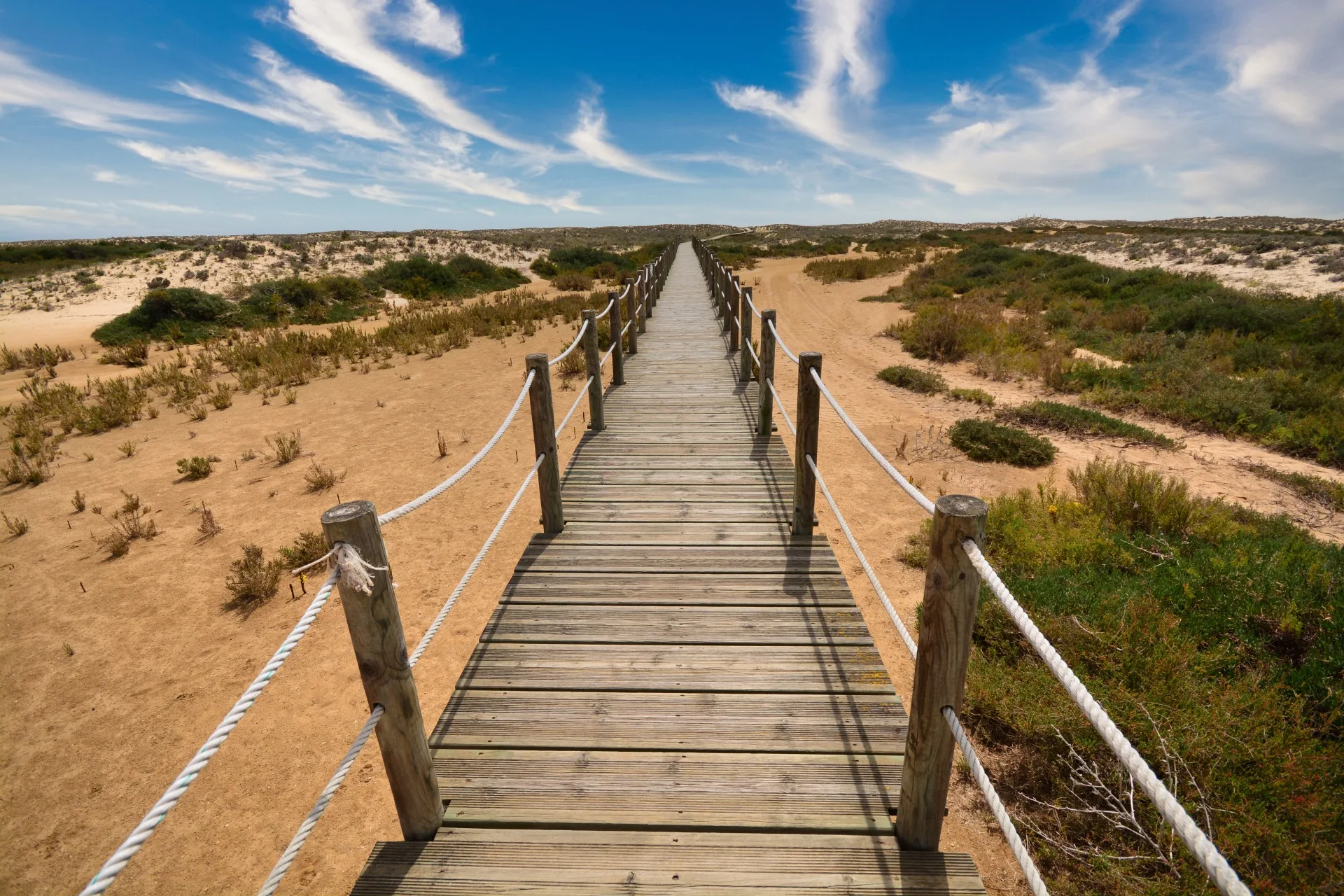
To get to the beach, you’ll need to cross the island. Once you reach the edge of the village, you’ll find a wooden boardwalk stretching a few hundred meters, and at the end of it — the sea. From there you can rent a shaded spot with a chair and lounger and enjoy the beach bar, or just walk, wander, get away from people.
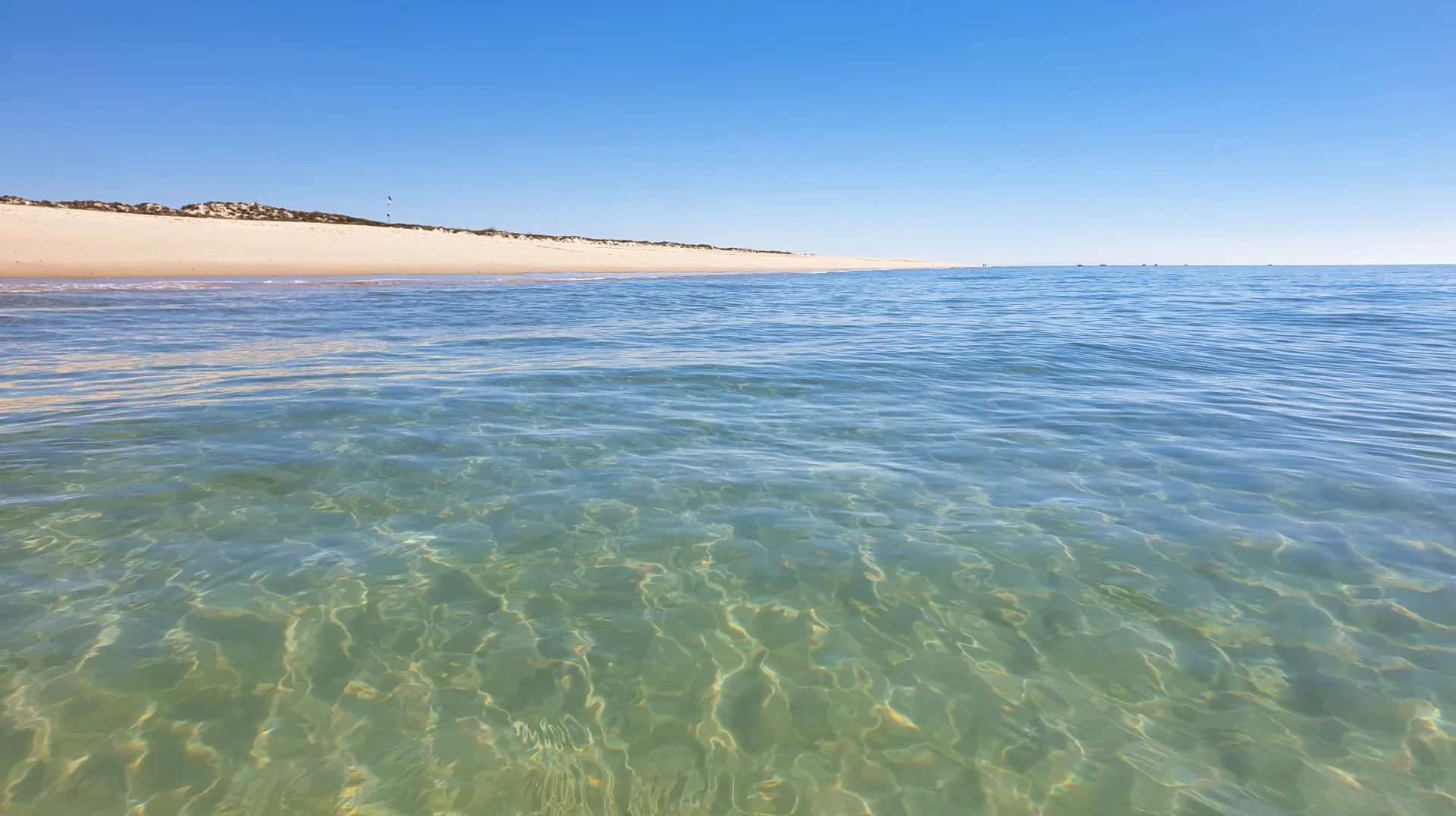
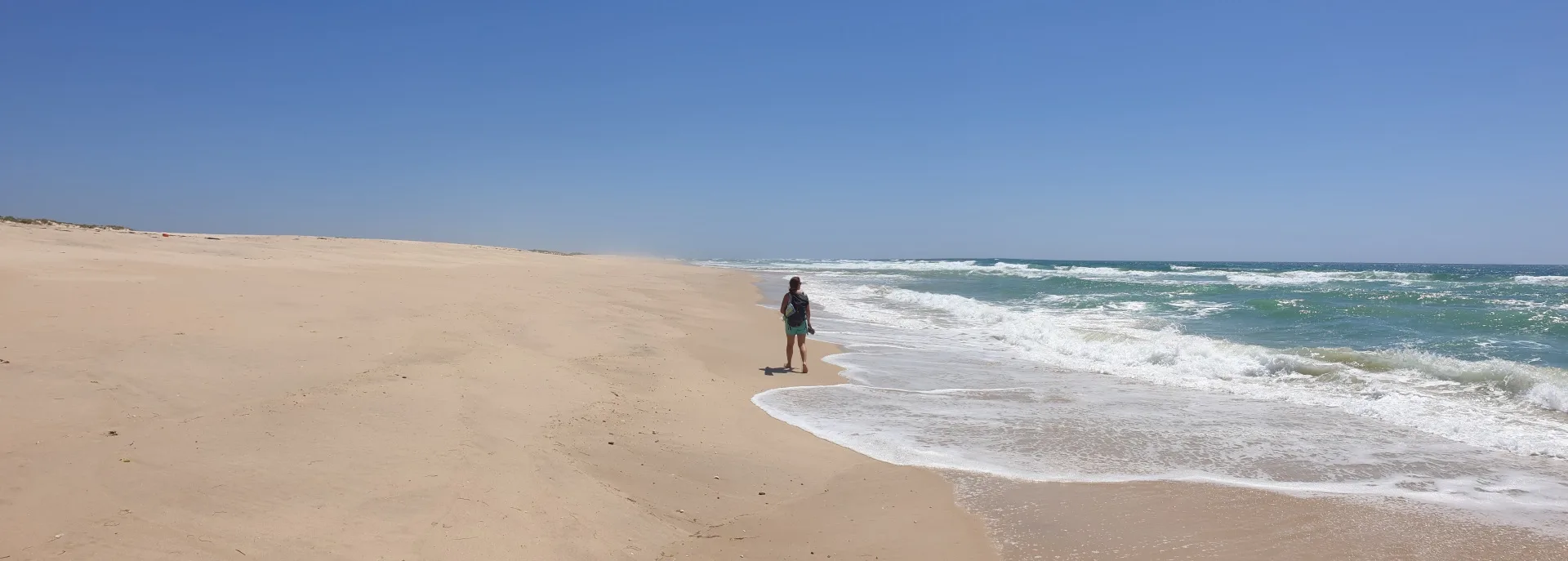
The most notable feature of Culatra beach is its sheer scale. The soft, golden sand stretches as far as the eye can see. Because the island can only be reached by boat, the beach never feels overcrowded. Most visitors tend to stay within a five-minute radius of where the main boardwalk meets the sand. If you are willing to walk just a little further to the east (towards Barra Grande), you can easily find an entire, massive stretch of sand completely to yourself, even in the middle of August
Feel free to strip down if you like — the water here is super clean and warmer than in other parts of the Algarve.
One word of caution: sun exposure is intensified around all this water, so pay extra attention to protection. Don’t forget good sunscreen, and bring a beach umbrella if you can.Once you’ve had enough beach time and it’s time to head back, factor in how long it’ll take to get back to the boat dock. Schedules are at the bottom of this page, but you can also just snap a photo of the ones posted at the ticket booth.
On the way back, if you’ve got time, spend a bit longer in Olhão — maybe grab a meal, soak up the late-afternoon vibe as this beautiful day winds down. Hope you enjoy the trip!
The Map