Café Aliança: Faro’s Timeless Meeting Place of Minds and Memories
In the bustling heart of Faro, the Algarve’s historic capital, one elegant establishment has witnessed the passing of centuries, political upheavals, artistic movements, and the daily pulse of local life: Café Aliança. Far more than just a place to sip coffee, this remarkable venue is a living chronicle of the city’s cultural, intellectual, and social history. With its blend of Belle Époque architecture, literary tradition, and renewed spirit, Café Aliança remains a must-visit destination for those seeking to connect with the soul of Faro.
A Legacy Since 1908
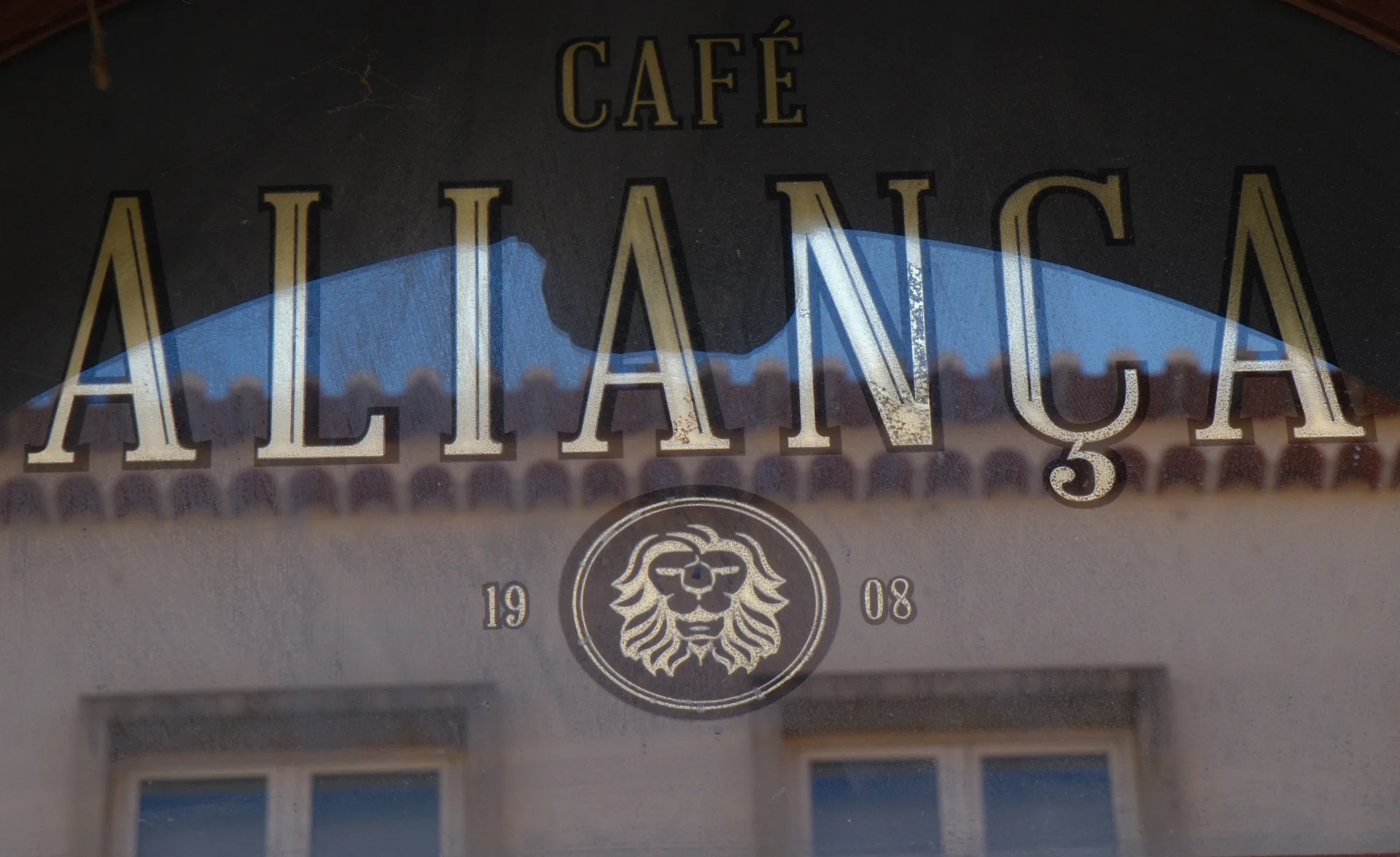
Café Aliança first opened its doors in 1908, quickly establishing itself as a key social and intellectual hub in Faro. At a time when cafés across Europe served as the salons of the modern world — places where ideas circulated freely among artists, poets, politicians, and thinkers — Aliança took on that very role in the Algarve. In an era before mass media, it became a center for debate, storytelling, and literary exchange.
Located on Rua João de Deus, right off the central Jardim Manuel Bivar and near the Marina and the historic Arco da Vila, the café attracted a wide clientele. From distinguished lawyers and journalists to local bohemians, the clientele was united not just by their love of coffee but by their shared belief in the café as a space for community and conversation.
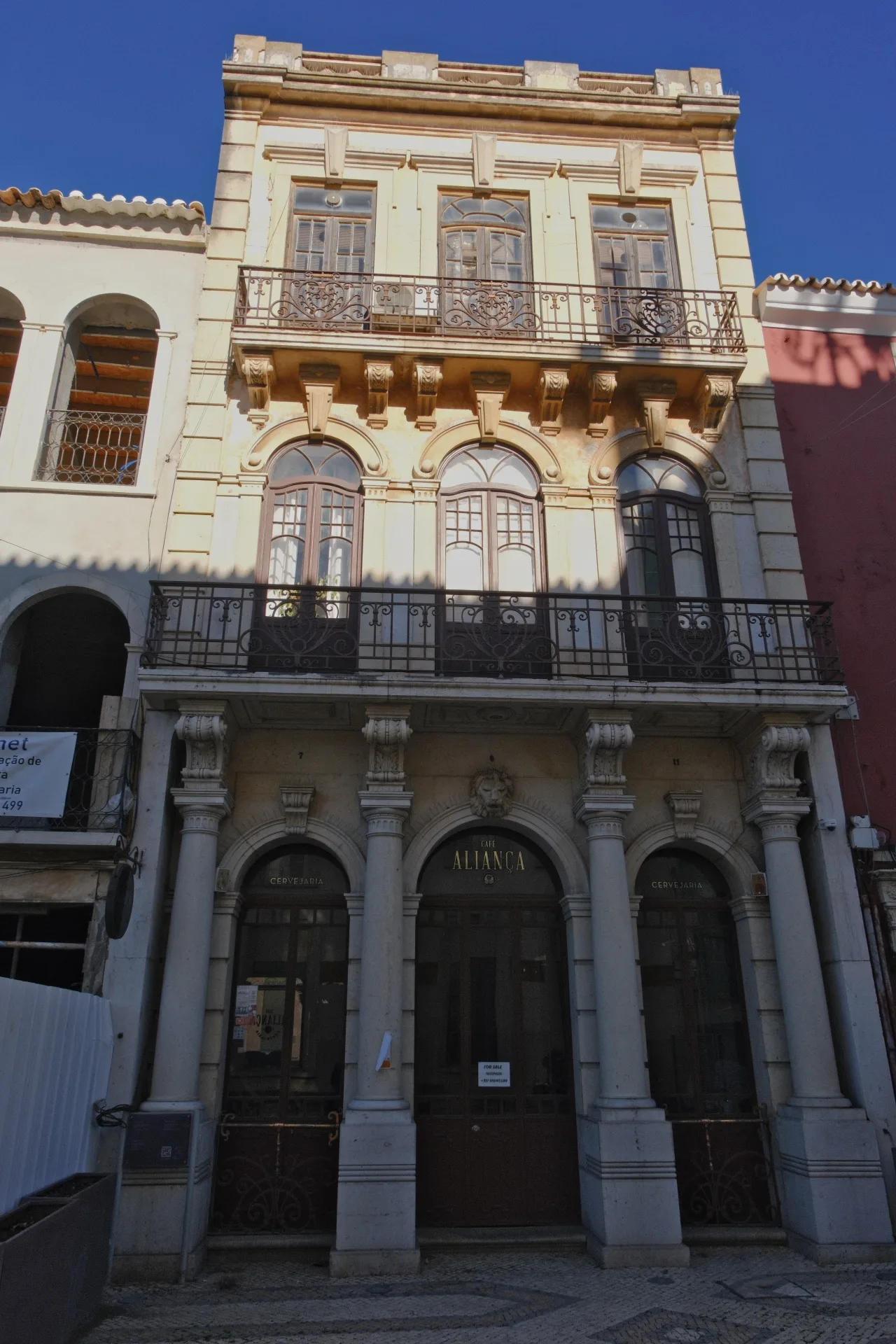
Architectural Elegance
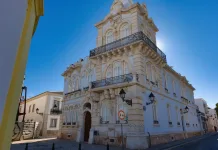
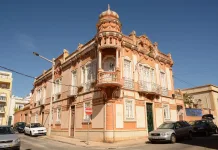
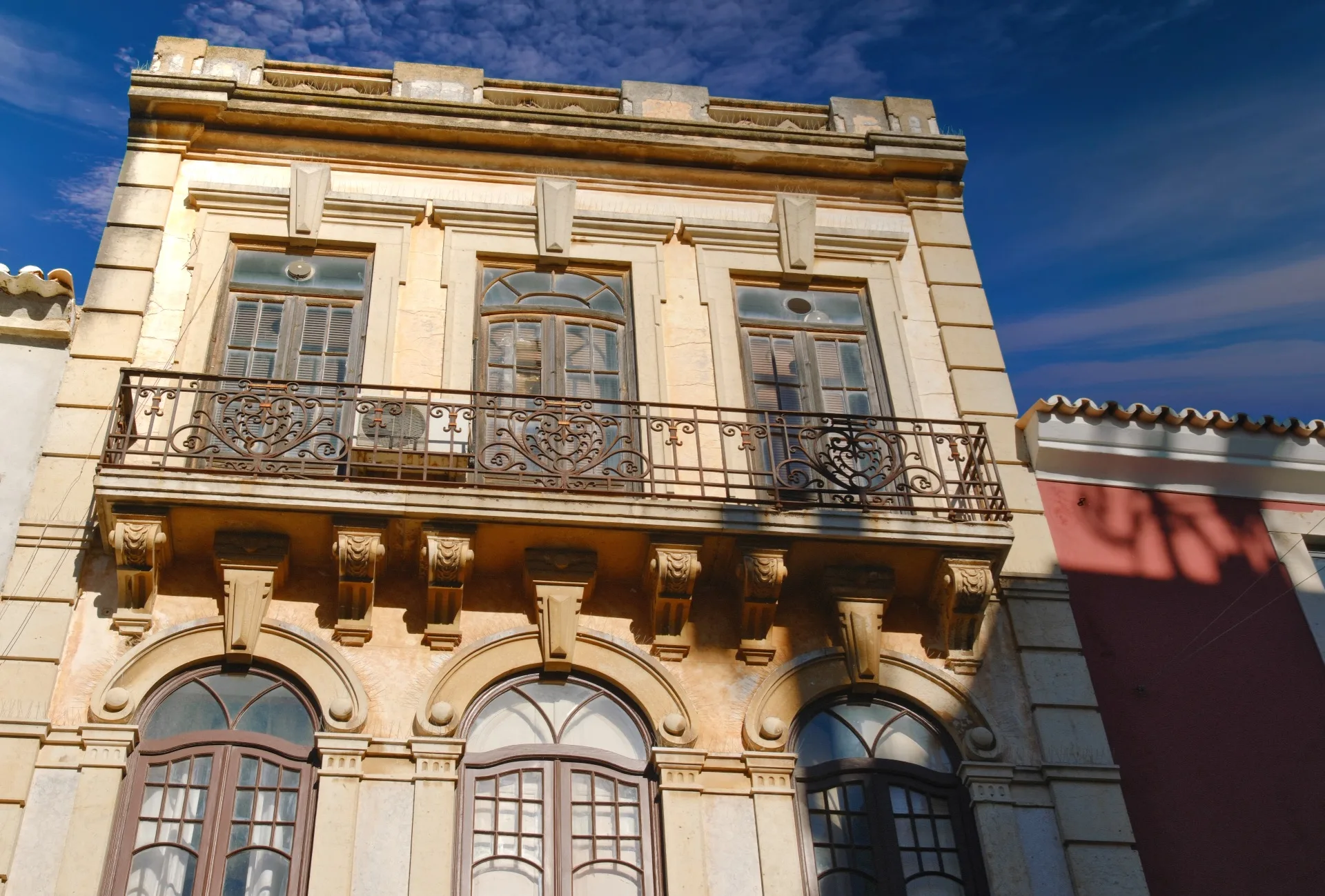
Café Aliança is housed in a building that reflects the Belle Époque and Art Nouveau aesthetics popular in early 20th-century Europe. Its elegant facade, with large arched windows and ornamental detailing, stands out amid Faro’s urban fabric. Inside, the décor once included marble-topped tables, dark wood paneling, crystal chandeliers, and mirrored walls — design elements that conveyed refinement and cosmopolitanism.
Though the café underwent various renovations over the years, and even periods of closure, efforts have been made to preserve and restore its original character. Today, stepping into Café Aliança is like stepping into a different time: a place where the pace slows and the ambience encourages lingering — over a bica, a glass of wine, or simply a well-worn newspaper.
A Meeting Place of Generations
What made Café Aliança truly special was its role as a cultural agora. Throughout the 20th century, it hosted discussions on politics, literature, philosophy, and current affairs. During the Estado Novo dictatorship (1933–1974), when political censorship and repression were widespread in Portugal, the café often became an informal space for resistance and coded conversation.
One of those lives, rarely told, took place during Second World Two, and it belonged to a tenant who lived in the rooms above the café during the darker years of the Estado Novo. Every evening, in open defiance of the law, he turned his radio dial to the BBC and let it play at full volume, loud enough to spill out over the windowsill and down into the square below — a small act of rebellion offered up to anyone in Faro willing to stand beneath his window and listen to the news as the English told it, unfiltered by the censors of Lisbon. For a while, it worked: passersby would slow their step near the café, catching fragments of a world the regime preferred to keep at a distance. It could not last. PIDE, the secret police, eventually came knocking — not with force, but with the kind of quiet visit meant to be remembered. The broadcasts stopped that same week, and the radio, as far as anyone remembers, was never turned up loud again.
Writers and intellectuals from the Algarve and beyond, such as Emílio Nobre, João Lúcio, and Carlos Porfírio, frequented the space. Some published their early works in local journals whose editors met right at Aliança’s tables. Poems were written here. Newspapers were dissected. Novels were outlined in notebooks. It was a true “café literário”, a status that placed it alongside other iconic Portuguese cafés like A Brasileira in Lisbon or Majestic in Porto — albeit with a more discreet, local flavor.
In the post-revolutionary period after 1974, Café Aliança retained its identity as a hub for intellectual life, even as global trends changed the way people socialized. It remained a place where locals of all ages mixed freely, from old men discussing politics over aguardente to students reading books or sketching quietly in corners.
Periods of Closure and Resurgence
Despite its long-standing fame, Café Aliança did not escape the economic and cultural changes that swept through Faro — especially in the late 20th and early 21st centuries. In 2009, after more than a century in operation, the café closed its doors, leaving many fearing it would be lost forever.
However, in 2017, a revitalization project brought Café Aliança back to life. The reopening was a highly symbolic act for Faro residents, signaling the return of a beloved institution. Today, under new management, the café has been restored with care to reflect its historic charm while adapting to modern tastes. It functions as a café-bar-restaurant with a diverse menu, live music events, and literary evenings — a contemporary take on its historic role.
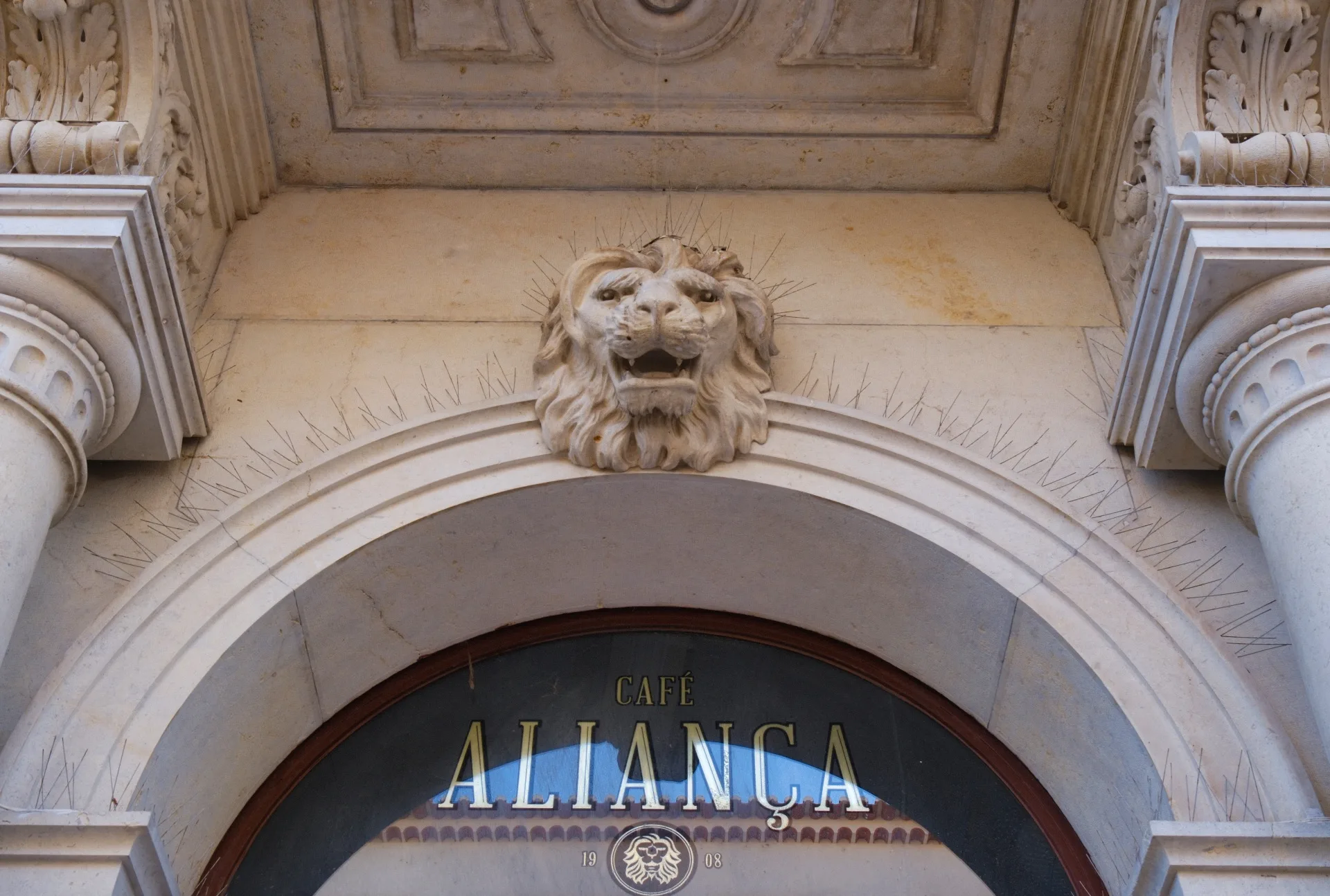
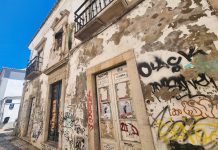
And yet the story has not settled into a happy ending. As of this writing, Café Aliança has closed once more, its doors shut and its future uncertain — whether this is a pause or something more permanent remains to be seen. But even shuttered, the building holds its ground on the square, and there is something worthwhile in simply standing before it, letting the mind wander back through its many lives: the marble tables crowded with conversation, the clink of cups that have outlasted more than one generation of owners, the quiet certainty that a place can matter more for what it has witnessed than for whether its lights are on tonight.
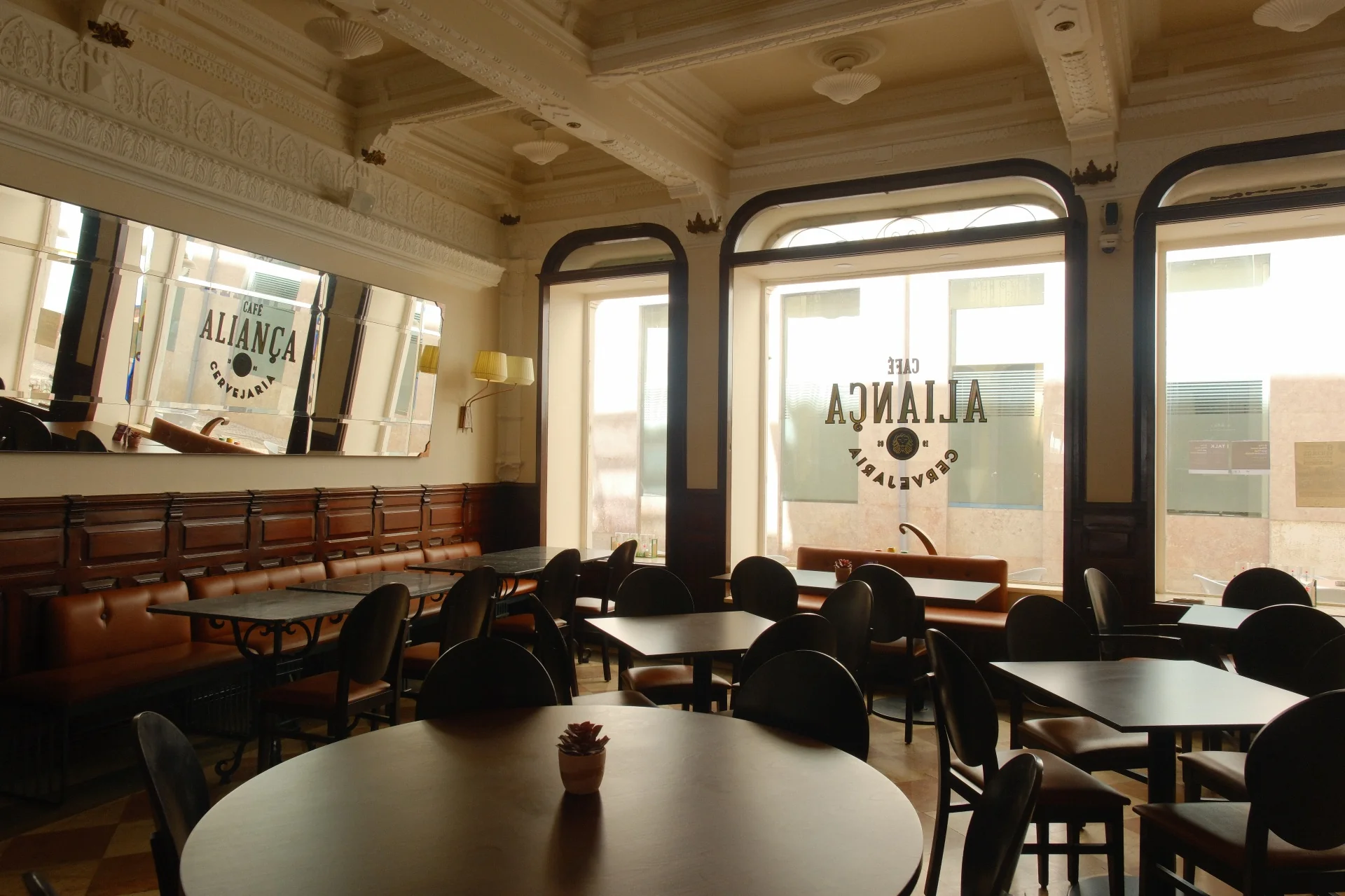
And an happy update in September 2026!! It’s open again! Não experimentei pessoalmente as iguarias vindas da sua cozinha, nem sequer tomei a bebida, mas fui lá meter o nariz e… está lindo. O espírito original do café está todo lá, um ambiente de início do século XX, reforçado com a excelente colecção de fotografias de época do Faro de outros tempos ocupa uma boa parte das paredes, os móveis originais ou recriados em grande estilo e a porta rotativa, agora fixa, está lá também.
Practical Information
- Location: Rua João de Deus 3, Faro (a few steps from Jardim Manuel Bivar)
- Access: Easily reachable on foot from the train or bus station; wheelchair accessible