
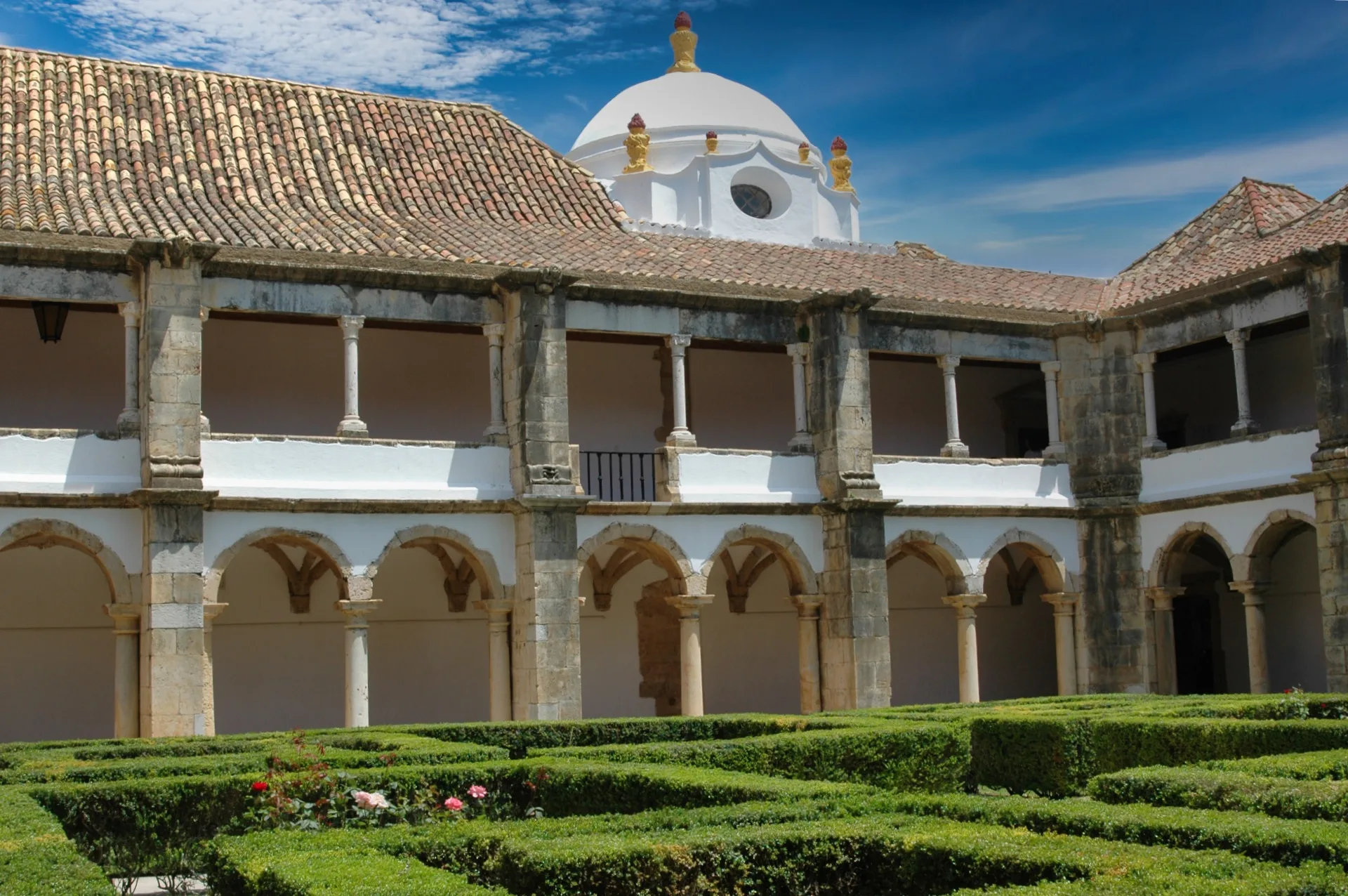
Nestled in the heart of Faro’s Old Town, the Museu Municipal de Faro — once referred to as the Museu Municipal do Algarve — offers a compelling journey through the region’s layered history. Housed in a beautifully preserved 16th-century convent, the museum is one of the oldest and most significant cultural institutions in southern Portugal. From Roman mosaics to medieval artifacts and religious art, its collection spans centuries, telling the story of the Algarve far beyond its modern image of sun and sea.
A Building Steeped in History: The Convento de Nossa Senhora da Assunção
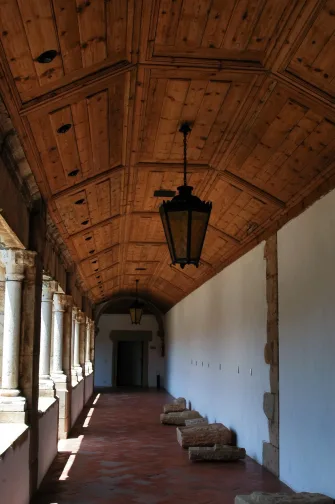
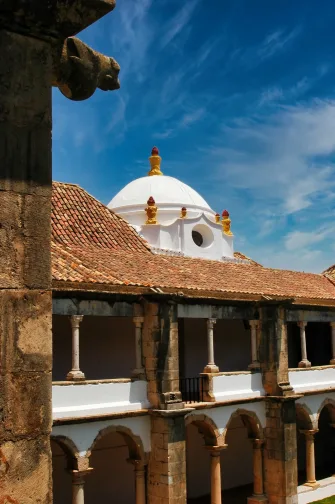
The building that houses the museum is as much a part of the attraction as the exhibits within it. Originally built in 1519, the Convento de Nossa Senhora da Assunção was a convent of the Order of Saint Clare (Clarissas), a community of cloistered nuns. Commissioned by Bishop Afonso Castelo Branco, the convent was constructed in the Renaissance style, featuring an elegant cloister, high arched ceilings, and serene interior courtyards.
Over the centuries, the convent underwent various transformations. It was partially damaged in the catastrophic 1755 earthquake, which shook much of southern Portugal. Though it lost part of its original structure, the building was carefully restored, and much of its original architectural charm was retained — including its cloister, which today serves as a peaceful centerpiece for museum visitors.
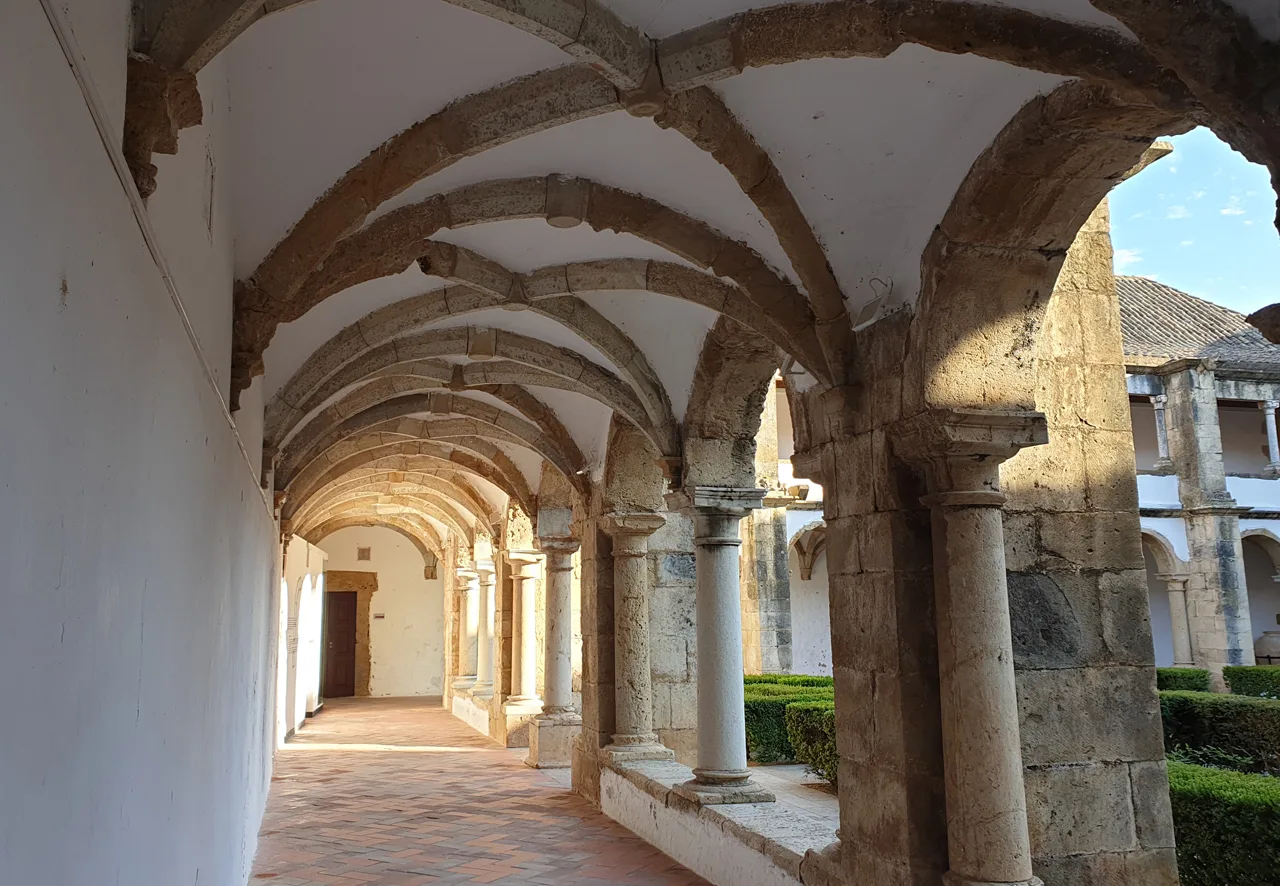
Following the dissolution of monasteries in Portugal in the 19th century, the convent was abandoned by the religious order and repurposed for various secular uses, including as a military barracks and a primary school. In 1894, the city council of Faro acquired the building and began converting it into a museum, which officially opened to the public in 1898, timed with the 500th anniversary of the birth of Infante Dom Henrique (Henry the Navigator).
The Birth and Evolution of the Museum
When it first opened, the museum was known as the Museu Arqueológico Lapidar Infante Dom Henrique. It was largely focused on the archaeological remains collected in and around Faro — especially Roman and Moorish artifacts that were being uncovered during urban development. Over time, as its collection grew and diversified, it became known as the Museu Municipal de Faro, reflecting its broader mission of preserving the historical and artistic heritage of the Algarve.
Today, the museum is managed by the Municipality of Faro, and it has undergone several renovations to modernize its infrastructure and expand its collections. The most significant transformation came in the late 20th century, when the museum shifted from being a simple archaeological display to a more comprehensive cultural institution, integrating art, ethnography, and religious history.
Exploring the Collections: From Romans to the Renaissance
Roman Mosaics and Ancient Artifacts
One of the museum’s most iconic and photographed exhibits is the Roman mosaic of Oceanus, discovered in 1976 near the modern-day train station of Faro. Dating from the 3rd century, this impressively preserved floor mosaic features the sea god Oceanus surrounded by marine creatures, including fish and sea horses. It once decorated a wealthy Roman villa in the ancient town of Ossonoba — the Roman name for Faro.
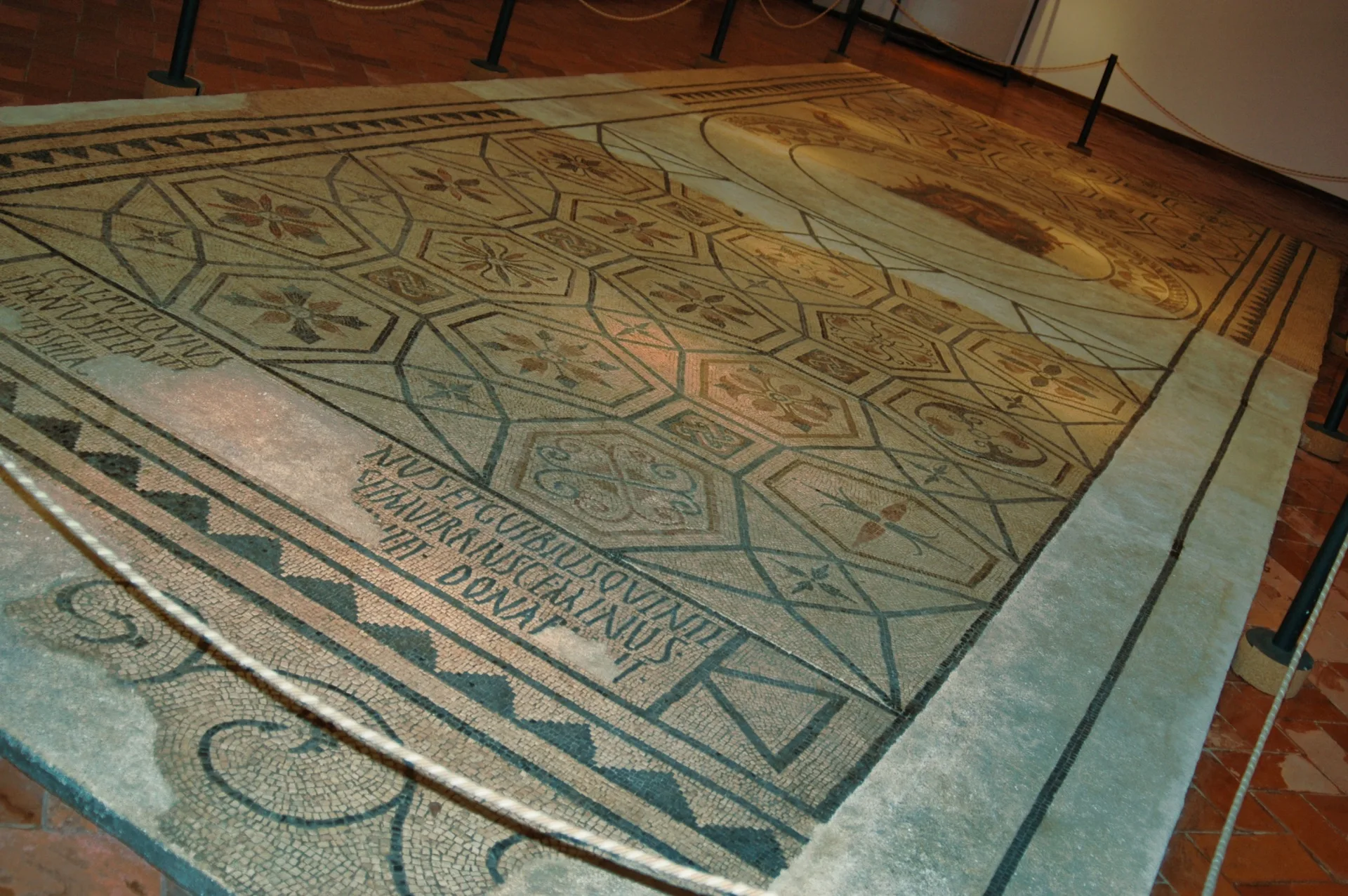
This mosaic is displayed in a dedicated room under controlled lighting, allowing visitors to appreciate its detail and scale. Surrounding the mosaic are various Roman-era items, such as pottery, funerary stones, inscriptions, oil lamps, and coins — all revealing the significance of Faro as a regional hub during Roman times.
Medieval and Moorish Legacy
The museum also holds a small but meaningful collection of items from the Islamic period, when the Algarve (then part of al-Andalus) was under Moorish rule. Though less extensive than in other parts of Portugal, this collection includes fragments of ceramics, architectural elements, and personal items that testify to the region’s Islamic heritage.
Moving into the medieval Christian period, the museum presents religious artifacts, sculptures, and sacred art from the region’s churches and monasteries, especially pieces that were saved from destruction during the 1755 earthquake or later periods of secularization.
Religious Art and Portuguese Painting
A large portion of the museum is dedicated to religious and Renaissance art, including works collected from now-closed churches and chapels around Faro and the Algarve. These include altarpieces, paintings, statues of saints, and liturgical items.
One highlight is the museum’s collection of paintings by Carlos Porfírio, an Algarve-born artist and folklorist, who also founded the Museu Regional do Algarve. His work blends regional mythologies, folklore, and symbolism — offering a dreamlike, sometimes haunting, representation of Algarve’s spiritual imagination.
Other paintings include examples of 16th- and 17th-century Portuguese art, with religious themes typical of the Counter-Reformation period.
Temporary Exhibitions and Cultural Programming
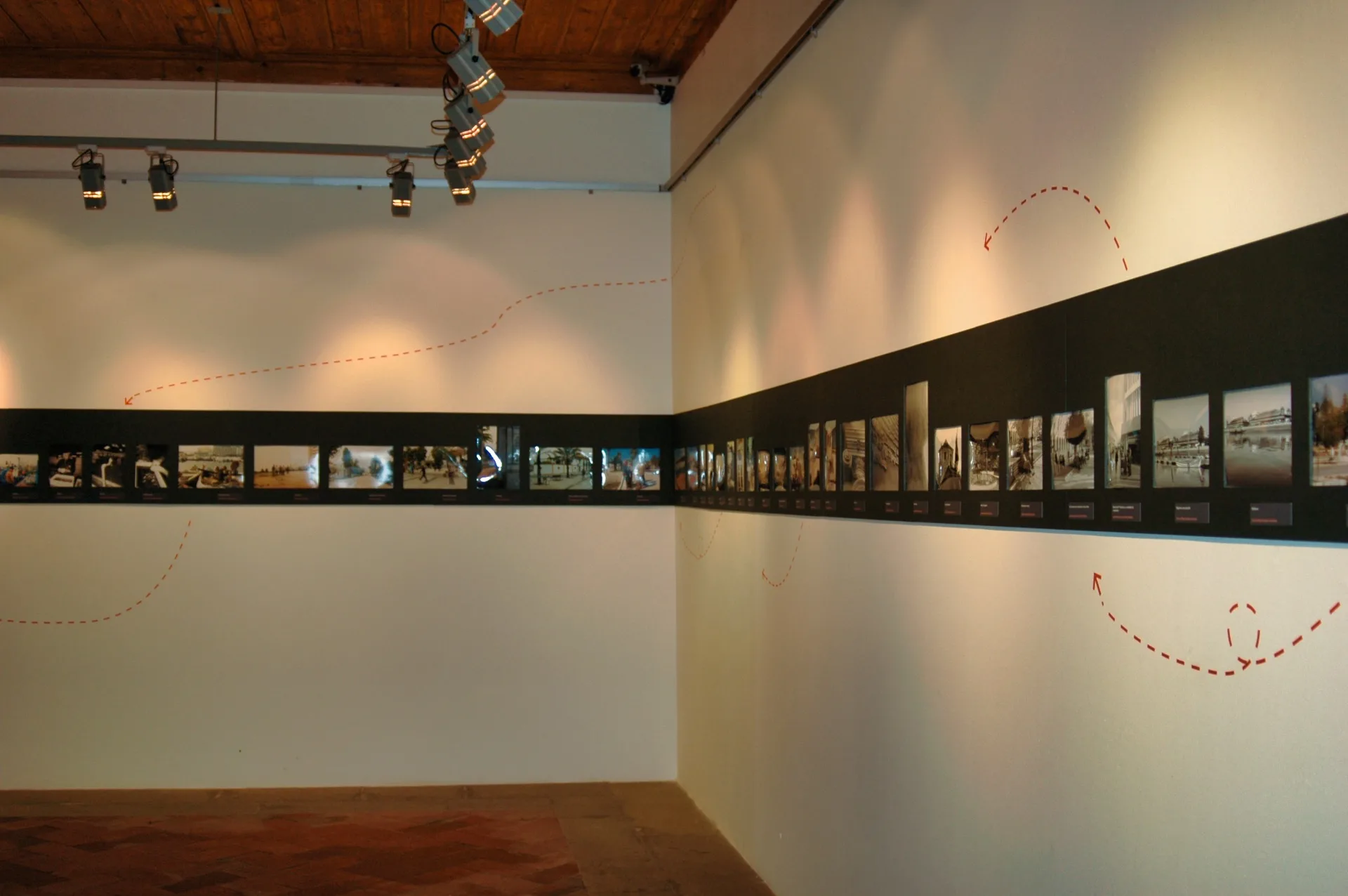
The Museu Municipal de Faro also hosts temporary exhibitions, both contemporary and historical. These range from modern art installations and photography to thematic displays exploring regional issues — such as fishing traditions, rural life, or the impact of emigration.
Workshops, lectures, and educational programs for schools and families are also regularly organized, making the museum a lively center of cultural education, not just a static collection.
Architecture as Exhibit
As you walk through the museum, it becomes clear that the building itself is part of the experience. The cloister, with its tranquil symmetry and original stone columns, invites quiet contemplation. The original convent chapel still features beautifully tiled walls and ceiling frescoes. These architectural features provide a unique setting that adds depth and atmosphere to the exhibits.
Walking through the arched corridors and sunlit courtyards, visitors get more than just historical facts — they feel a continuity between the past and present, between the spiritual use of the space and its new civic purpose.
Practical Information
- Location: Largo Dom Afonso III, 8000-167 Faro, Portugal(Near the Arco da Vila and Faro Cathedral in the Old Town)
- Opening Hours:
- Tuesday to Friday: 10:00 – 18:00
- Saturday: 10:30 – 17:00
- Sunday and Monday: Closed(Note: Hours may vary during holidays or temporary events)
- Admission:
- Regular: ~2–3 EUR
- Discount: Seniors, students, children
- Free entry on certain days, such as Municipal Day or International Museum Day
- Accessibility:
- Some areas have limited access for wheelchairs, but renovations have improved access in recent years.
- Languages:
- Most labels are in Portuguese, with some English translations.
- Informational leaflets and guided tours may be available in multiple languages.
- Nearby attractions:
- Faro Cathedral, Arco da Vila, the Bishop’s Palace, and the Old Town walls.