The Rally That Turns Vilamoura and Faro Back Into the Age of Chrome
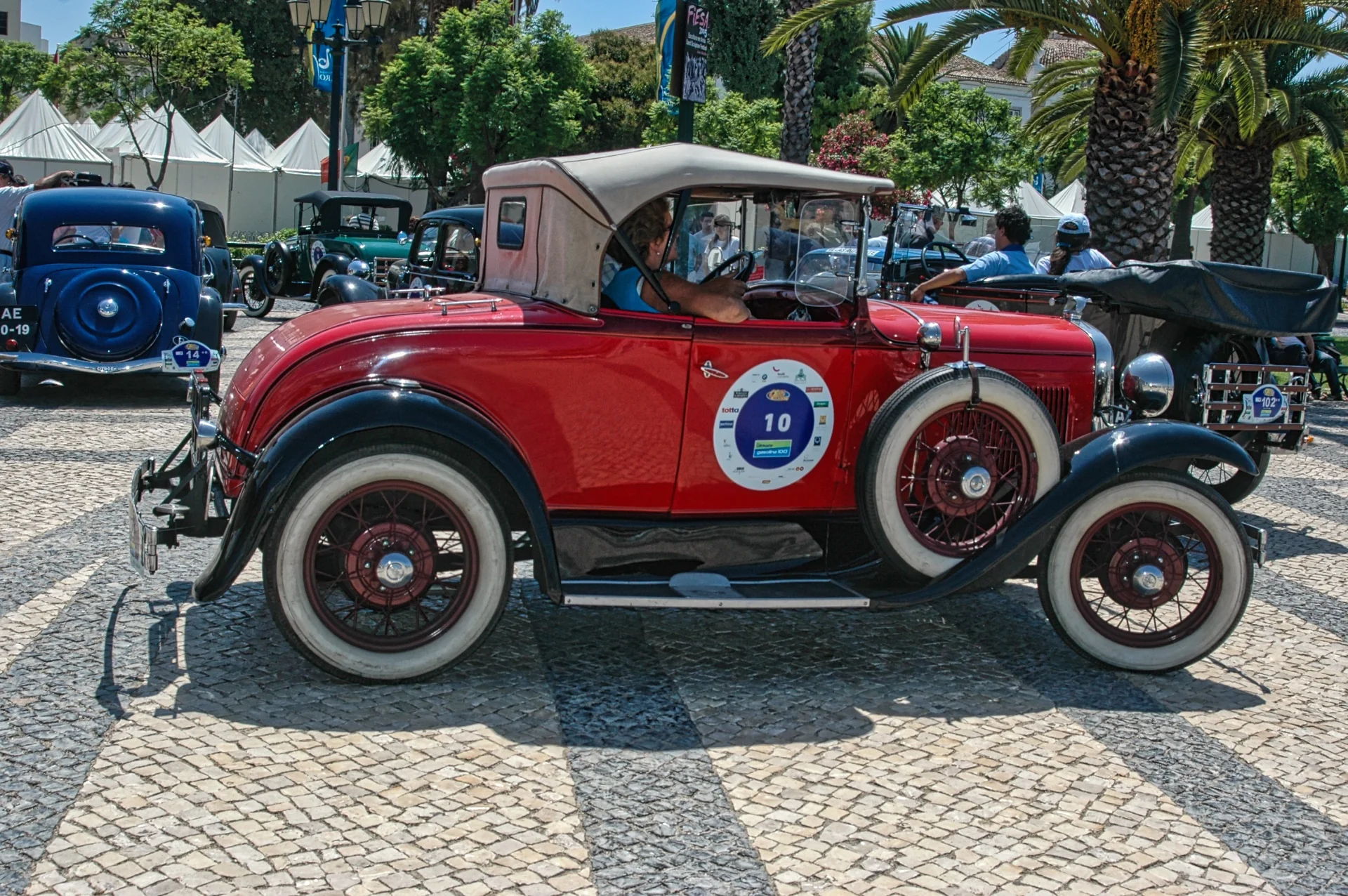
Some events fill a marina with onlookers for a single afternoon and then vanish from memory by autumn. The Algarve Classic Cars is not one of them. For three days every July, it turns the coastline into something closer to a museum on wheels — dozens of cars well past their fiftieth birthday rolling through municipal roads, resort avenues, and cobbled streets that rarely see an engine this old pass through them. The starting point never changes: Vilamoura Marina. The route, though, is redrawn every year, which is precisely why people keep coming back to watch it unfold.
A Rally Decades in the Making
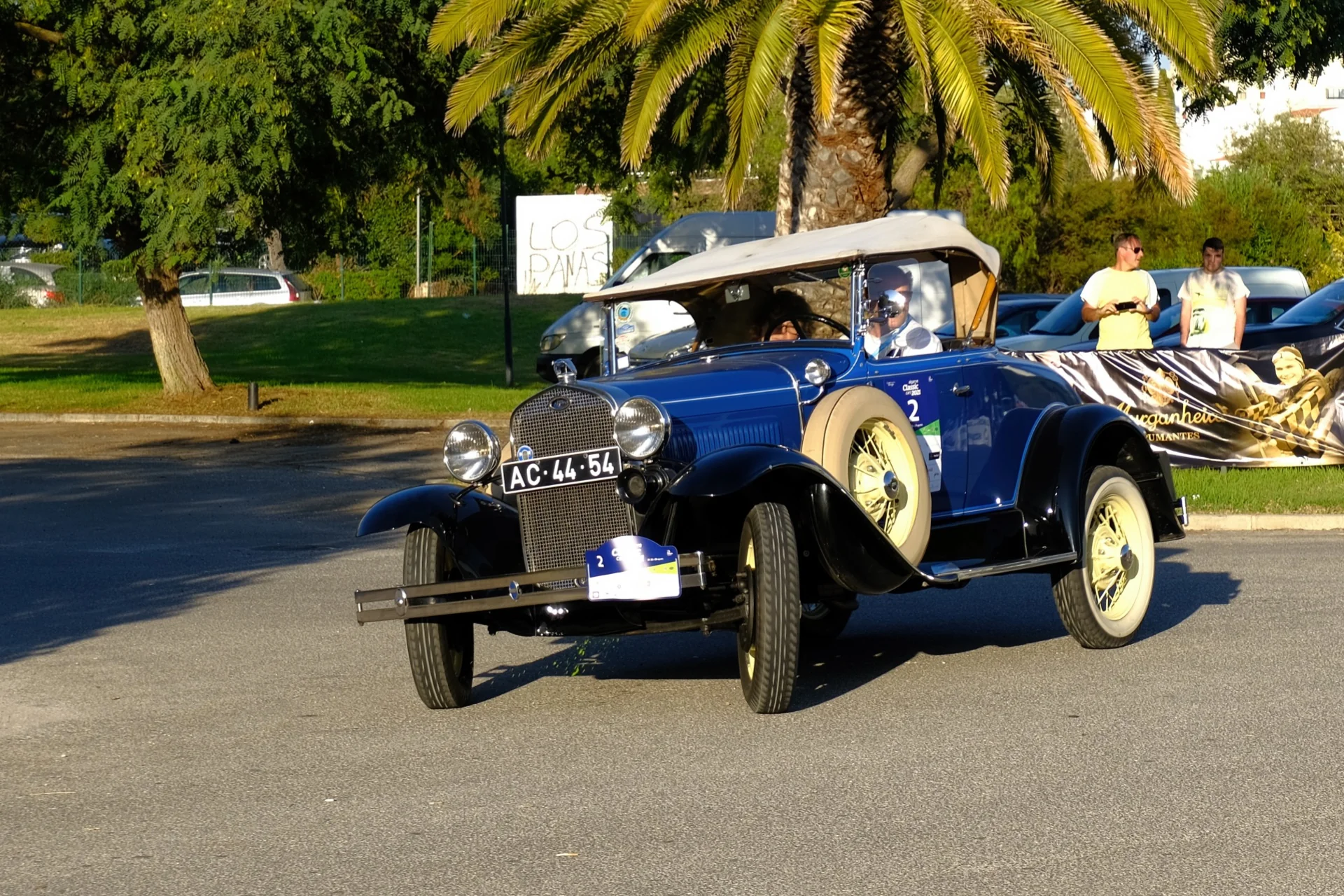
Organised by Portugal Classic together with the Portuguese Vintage Car Club, the Algarve Classic Cars has now run for more than thirty editions, making it one of the oldest fixtures on the Portuguese motoring calendar. It sits on the Portuguese Motorsport Federation’s schedule and on that of the International Federation of Vintage Vehicles, a pairing of credentials that pulls competitors from across Europe every year, each arriving behind the wheel of something a collector would recognise from a hundred metres away.
Despite the name, this has nothing to do with speed. It is a historic regularity rally, which means drivers aren’t chasing the finish line — they’re chasing precision, matching pre-set timings for each stage with something close to surgical accuracy. Whoever comes closest to the ideal time wins, not whoever arrives first. It’s a format that rewards intimacy with a machine, especially one built decades before GPS or an onboard computer ever existed.
The event always opens the same way: registration at Vilamoura Marina, followed by a first stage late in the afternoon, usually a short circuit near the Vilamoura Casino. That opening encounter between the cars and the crowd sets the tone for everything that follows. Diners at the marina’s restaurants abandon their plates mid-meal to watch a Jaguar E-Type or a sixties Porsche 911 glide past, often unsure exactly what they’re looking at until someone from the organisation fills them in.
The Stage Through Faro
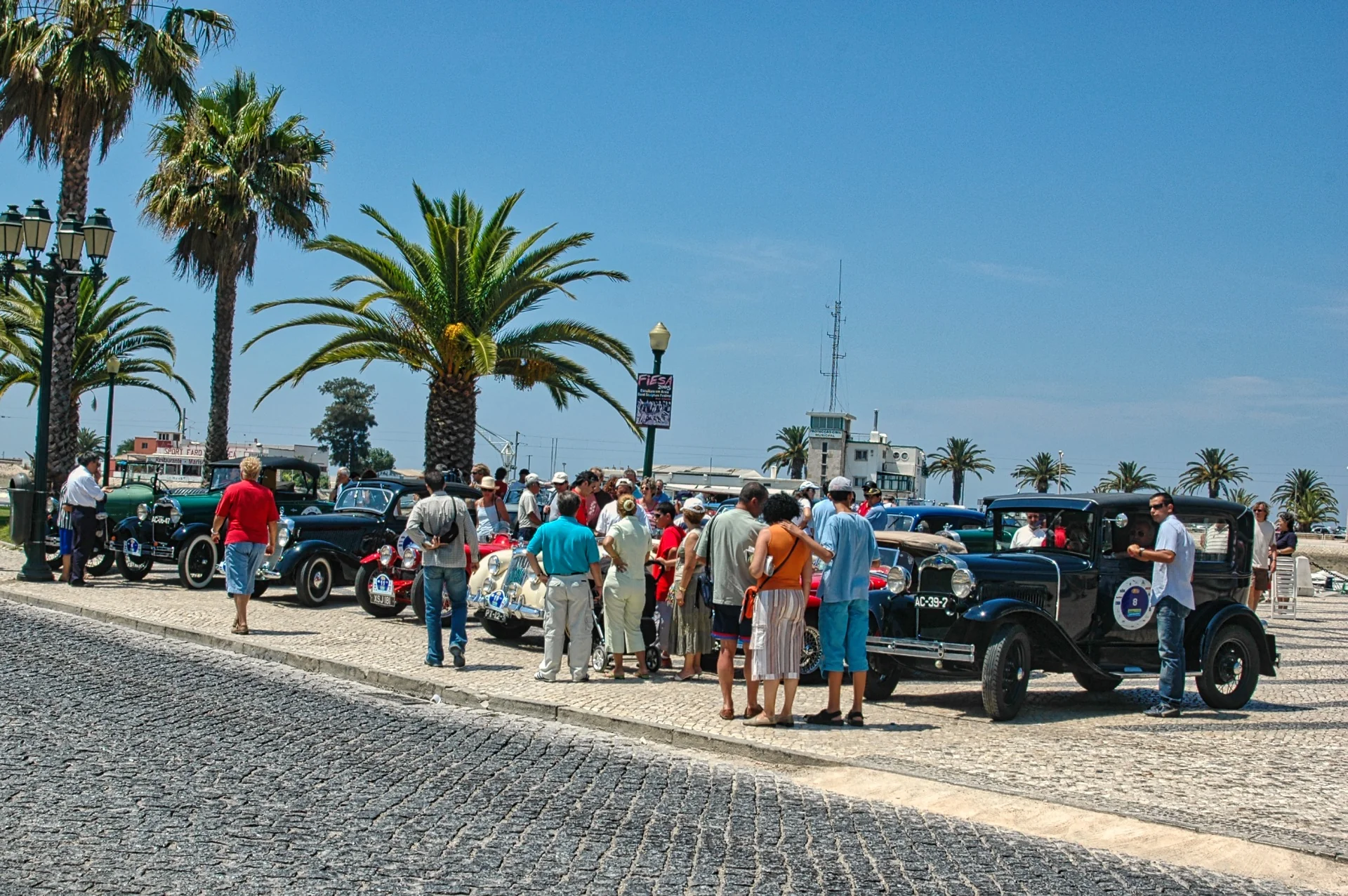
If Vilamoura is the rally’s logistical heart, Faro is, in many editions, its most photographed moment. The district capital enters the route as a kind of symbolic waypoint — in recent years, one of the final day’s stages has set off from near the Porsche Centre in Faro, leading the caravan of classics toward the edge of the old town before it moves on to other Algarve municipalities.
Faro’s stretch of the rally carries a weight that has little to do with horsepower. It is the best-preserved historic centre in the Algarve, and the Arco da Vila, the cathedral, and the maze of narrow streets in the old quarter offer a backdrop that stands in deliberate contrast to the polished modernity of Vilamoura Marina. Watching a car from the fifties or sixties inch its way along those streets, the Ria Formosa shimmering somewhere behind it, has an almost cinematic quality — one the organisers know exactly how to frame in the event’s official photographs each year.
For anyone living in or visiting Faro on those July mornings, the stage tends to mean a different kind of day. Residents step out onto their doorsteps, shopkeepers drift out to the street, and there’s always someone who recognises a particular model and starts telling the story of a car just like it that their father, or grandfather, once owned. It’s one of the rare moments when a city usually known as a stopover on the way to the airport, or a base for exploring the lagoon, becomes the protagonist in its own right.
More Than a Motoring Event — a Postcard in Motion
The route changes shape from year to year, but it always follows a similar logic: stitching together a handful of Algarve municipalities into something like a heritage tour, with stops in towns such as Albufeira, Portimão, Lagoa, Olhão, or São Brás de Alportel, depending on the edition. In some years, the course even runs through the Algarve International Circuit in Portimão, where competitors take on a timed special stage in a more overtly sporting setting.
None of this routing is accidental. The organisers have long been open about using the rally as a showcase for the region’s built and natural heritage — a deliberate step away from the postcard image of beaches and golf courses that so often stands in for the Algarve abroad. Every stage is designed so that competitors, and the crowds who gather along the roadside, rediscover corners of the region that rarely make it onto a conventional itinerary.
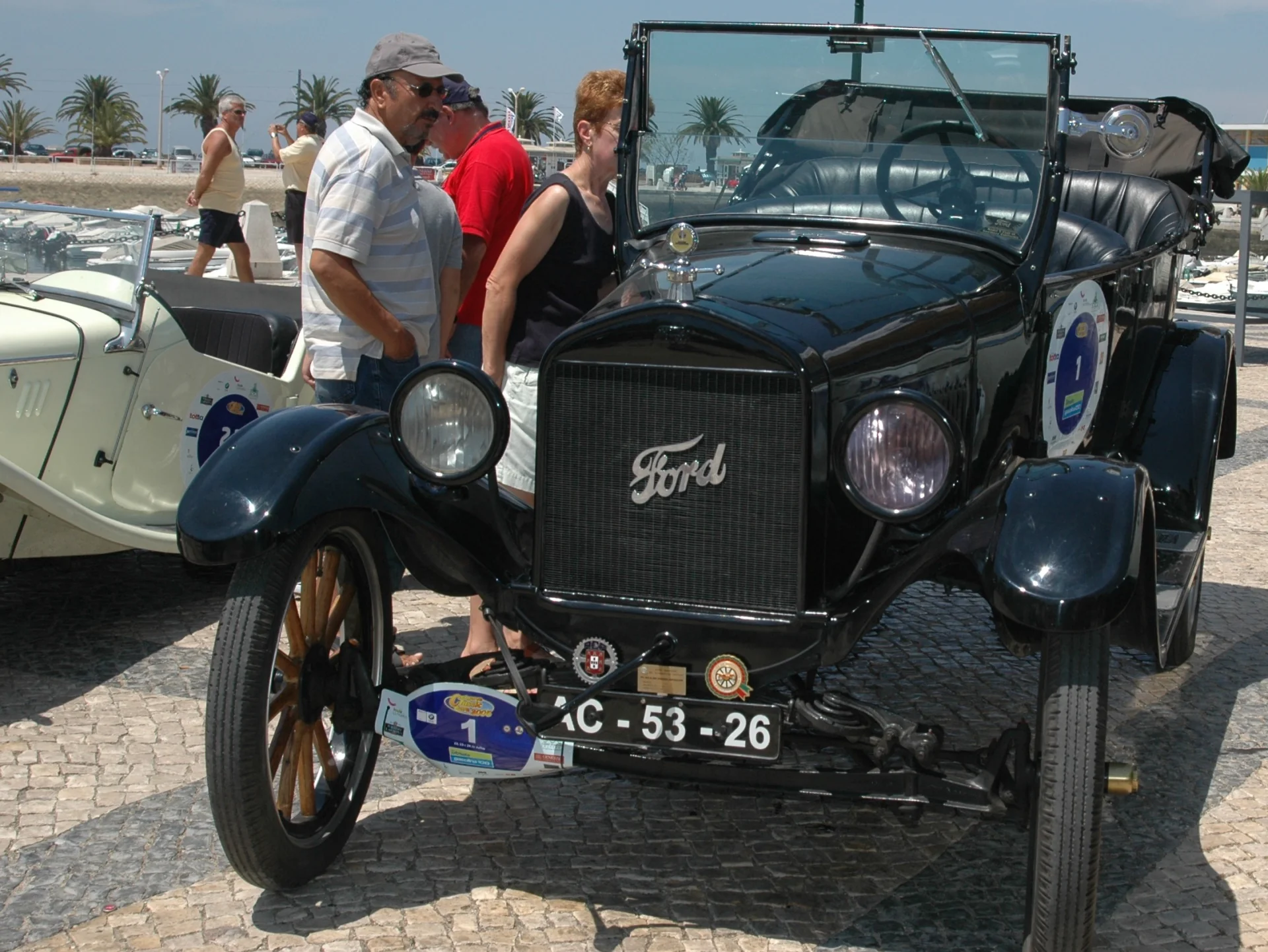
Watching is free along the entire route, though timing matters — the organisers usually publish stage schedules in advance through the event’s website and social channels. Vilamoura Marina remains the safest bet for seeing the cars up close and stationary, since that’s where registration, and several stage starts and finishes, tend to converge. The Faro stage, moving and often scheduled for the morning, asks a little more patience from anyone hoping to claim a good vantage point near the old town.
More than a gathering for vintage car enthusiasts, the Algarve Classic Cars has become one of those events that says something about the region itself — an Algarve eager to prove it has history beyond its coastline, one that finds in Vilamoura and Faro two equally essential chapters of that story: one told through the restless energy of an international marina, the other through the stone memory of its oldest streets.
Where to check for updated year-to-year details
The official site is algarveclassiccars.com — it publishes the full stage-by-stage programme (algarveclassiccars.com/programa/) each year, plus registration and results. Dates, routes, and participating municipalities shift annually (it’s run through Vilamoura, Faro, Portimão, Loulé, Albufeira, São Brás de Alportel, and others depending on the edition), so any date/route claims in the article should be sourced there each year rather than hardcoded. Portugal Resident and Essential Algarve also cover it annually with the current programme if you want a secondary English-language source to cross-check.