
The Beating Heart of Faro: Inside the Municipal Market – Local Food, Fresh Fish & Authentic Algarve Experience
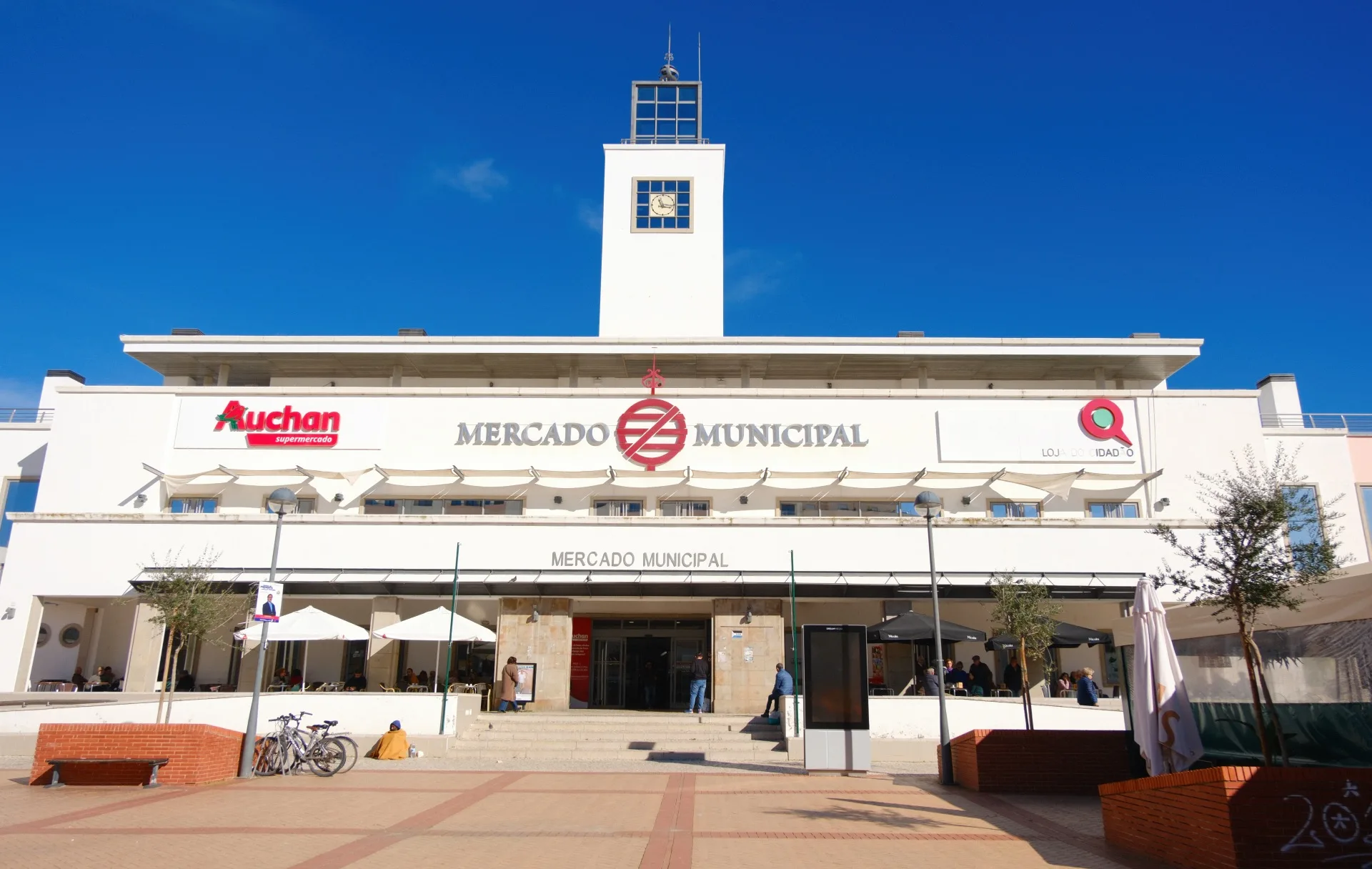
In a city defined by layers of history, from Roman ruins to Moorish walls and Baroque churches, the Mercado Municipal de Faro stands as a modern-day monument to Faro’s most enduring tradition: its relationship with the land and the sea. Located just north of the old town walls, the market is more than a place to buy food—it is a living expression of Algarvean identity, where the rhythms of local life continue much as they have for generations.
A Market with History
Faro’s tradition of public marketplaces dates back centuries, when open-air stalls and temporary wooden structures dominated the city center. With the rise of the bourgeoisie and growing concern for hygiene and urban planning in the late 19th and early 20th centuries, many Portuguese towns began to construct covered municipal markets. Faro was no exception.
The current building, inaugurated in 1986, replaced earlier, more improvised facilities. It was part of a broader plan to modernize public infrastructure and offer local producers, fishers, and artisans a dignified and regulated space to sell their goods. While its construction may seem relatively recent compared to other city landmarks, the Mercado Municipal represents the culmination of centuries of mercantile tradition, adapted to a contemporary setting.
In 2007, the market underwent a significant renovation. The structure was modernized and the space reimagined—not only as a commercial hub, but as a cultural and social center for the city. Today, it stands as one of the most important and best-organized markets in southern Portugal.
A Fusion of Function and Form
Architecturally, the Mercado Municipal de Faro is not designed to impress with grandeur, but rather with clarity and purpose. It is a practical building, spread over several levels, with a central atrium that allows natural light to fill the space. Its circular central dome evokes the covered market typology common across southern Europe, while the use of glass, steel, and clean white walls gives it a modern, minimal aesthetic.
The building is both accessible and dynamic. Open walkways connect the stalls and upper floors, and large windows offer glimpses of Faro’s cityscape outside. Although it was built in the late 20th century, the market respects the Algarve’s architectural logic: simplicity, light, and a focus on community use. The upper floors include shops, service counters, cafes, and even temporary art exhibitions, while the ground floor houses the true heart of the market—the food vendors.
A Feast for the Senses
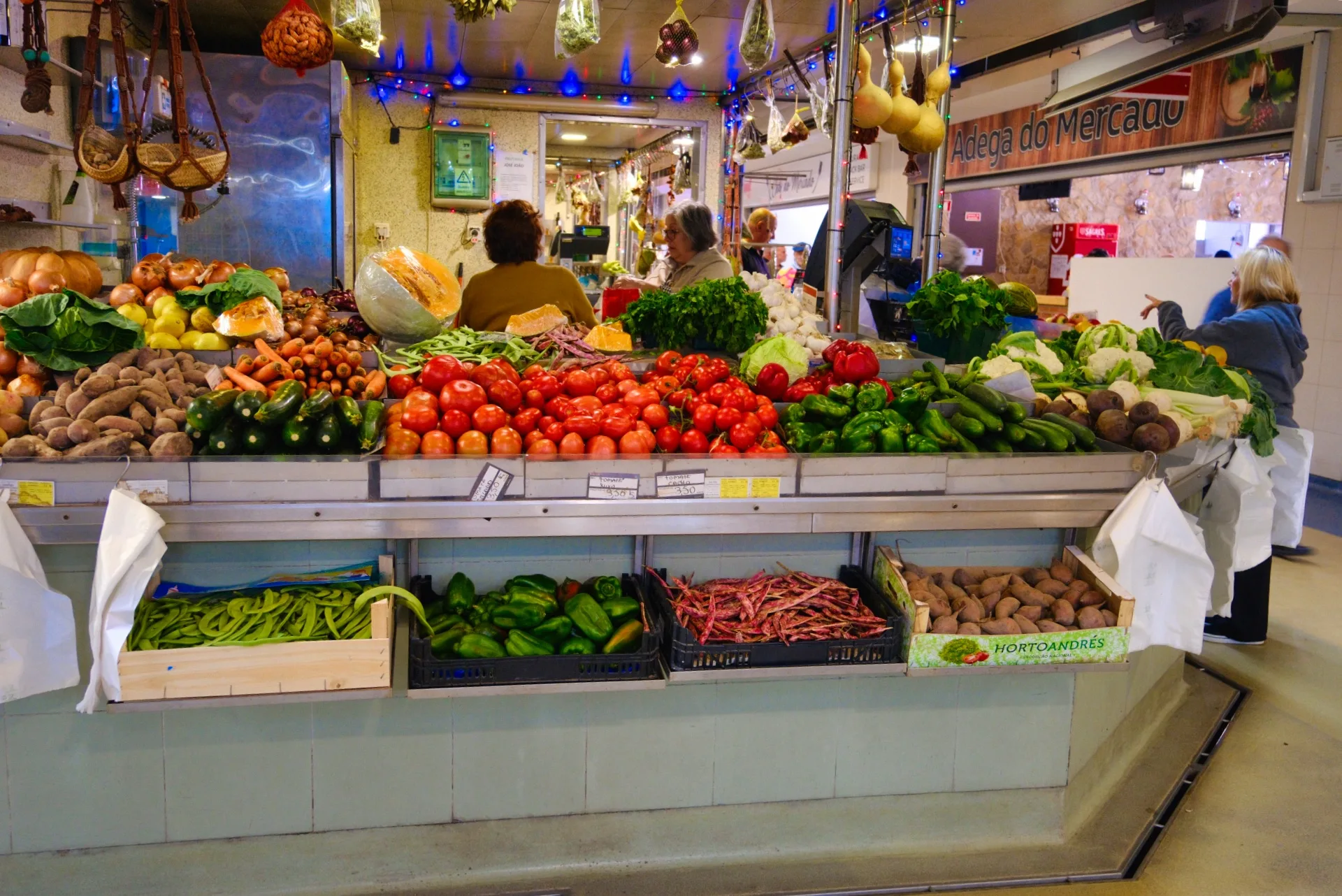
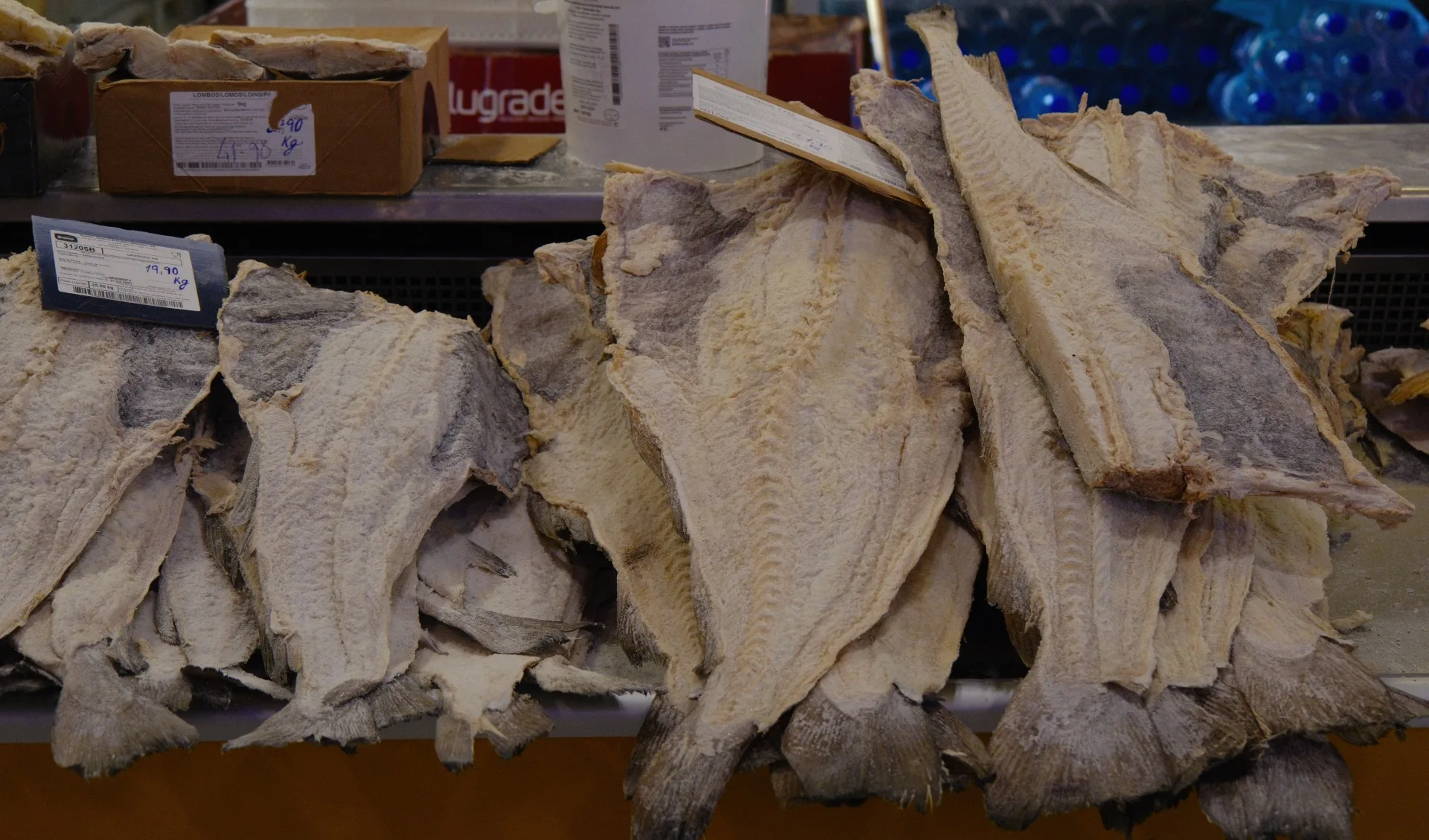
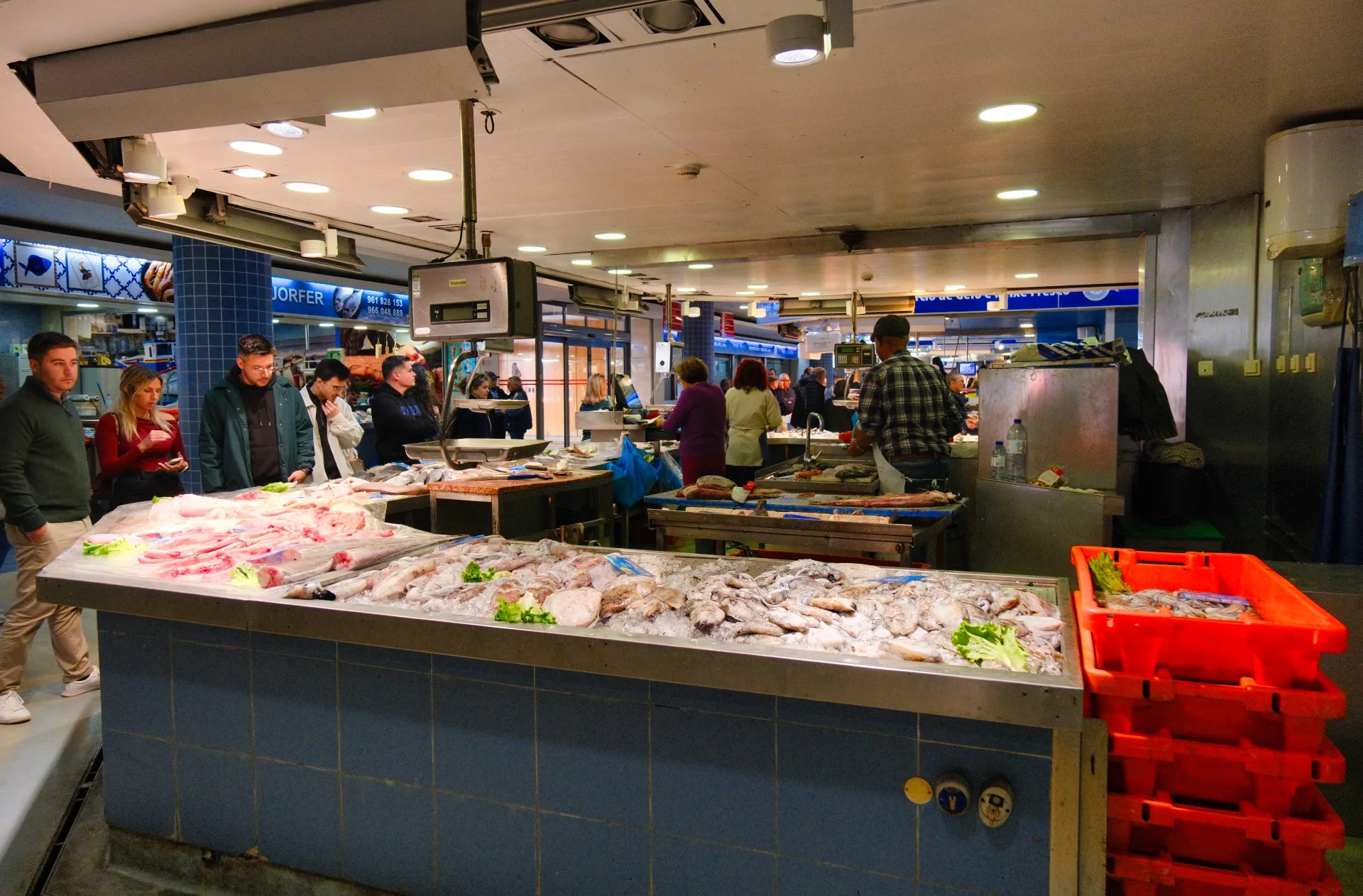
Walking through the ground floor, visitors are greeted by the aromas of freshly baked bread, the vibrant reds and greens of local produce, and the gentle murmur of vendors exchanging greetings with familiar clients. The fish section is especially remarkable. Supplied daily by small-scale fishers operating in the Ria Formosa and the nearby Atlantic coast, it is one of the best places in the region to witness the diversity of southern Portugal’s seafood: sea bass, octopus, cuttlefish, mackerel, clams, cockles, and the famed sardines in season.
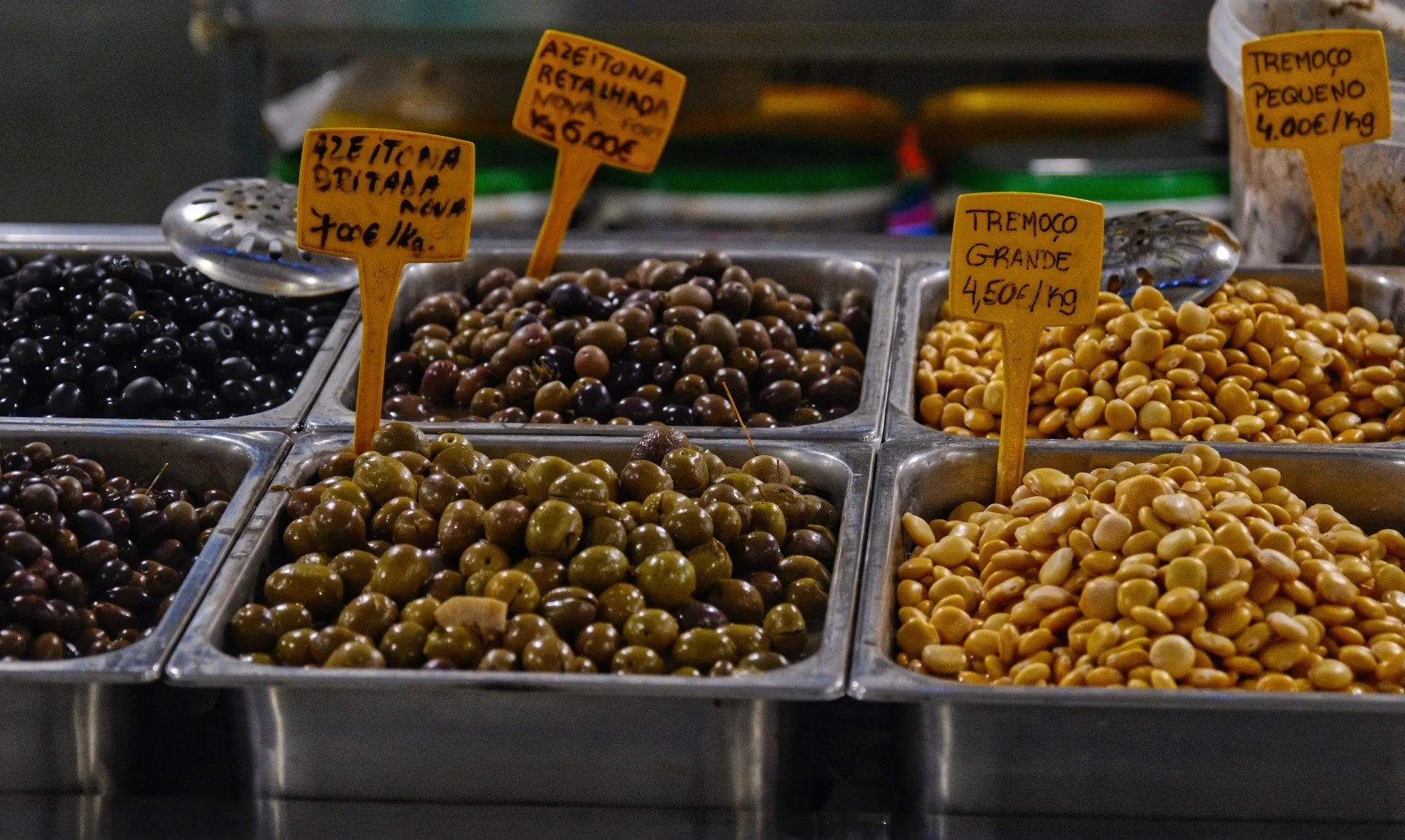
Alongside fish, vendors sell regional vegetables, fruits, cheeses, Algarvian sausages, olive oil, fig and almond sweets, and aromatic herbs. Many of these are not typically found in supermarkets, making the market a treasure trove for anyone interested in local and seasonal gastronomy. There are also vendors selling dried fruits, teas, flowers, and specialty products like medronho (a strong local spirit made from arbutus berries) or carob flour, used in traditional baking.
For those not cooking at home, there are also small eateries and bars inside the market, offering snacks and light meals made from fresh ingredients purchased right from the stalls—perfect for a late breakfast or early lunch.
A Community Anchor
The Mercado Municipal is more than a shopping space. It serves as a gathering point for Faro’s diverse population, especially older residents, for whom market visits remain a central ritual of daily life. But younger generations and visitors have embraced the market as well—thanks in part to the building’s evolving role as a cultural space.
The market often hosts events, such as cooking workshops, seasonal festivals (particularly around Easter and Christmas), and tastings of regional products. These events are organized by the city council or by associations promoting Algarvean agriculture and cuisine.
Visiting Information
The Municipal Market of Faro is centrally located and easily accessible on foot from the historic center or the main train and bus stations.
- Address: Largo Doutor Francisco Sá Carneiro, 8000-151 Faro
- Opening Hours:
- Monday to Saturday: 7:00 AM – 3:00 PM (some shops and cafés on upper levels open later)
- Sunday: Closed
- Entry: Free
- Accessibility: Fully accessible for wheelchairs, with elevators and ramps
- Getting there: Walking distance from Faro’s marina, or by local bus (multiple lines stop nearby)
Parking is available in nearby lots, although it can fill up quickly during morning hours, especially on weekends or near holidays.
Conclusion: A Must-Visit in Faro
The Mercado Municipal de Faro is not just a place to buy ingredients—it’s where the city’s heartbeat can be felt most clearly. Whether you’re a gourmet traveler, a history lover, or a curious observer of everyday life, this market offers an experience rich in taste, color, and human connection.
In a region often known for sun and sea, Faro’s market is a reminder that the soul of the Algarve lies just as much in its kitchens and conversations as in its landscapes. To walk through the market is to witness a living tradition—one that continues to nourish both body and community, just as it has for centuries.