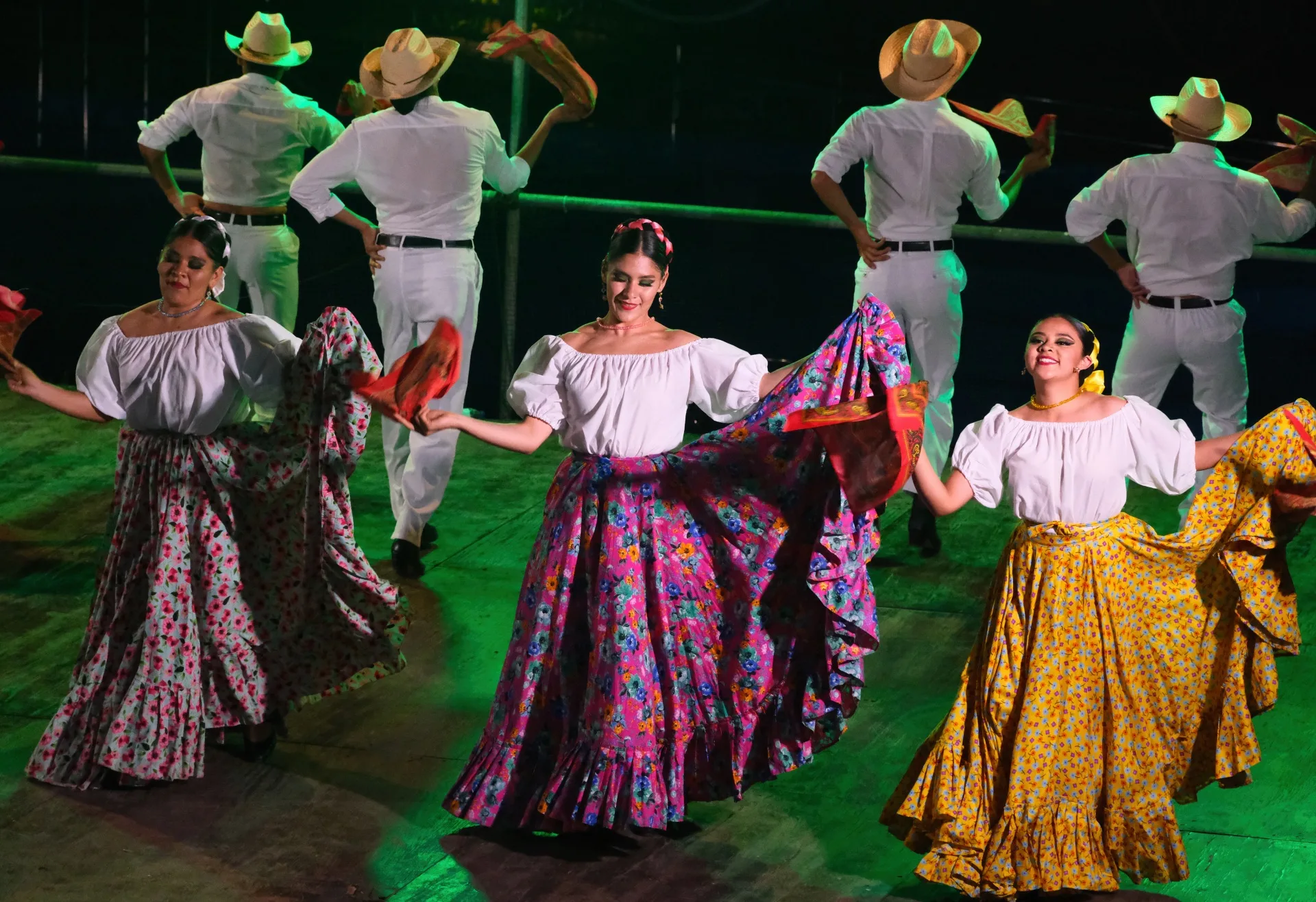
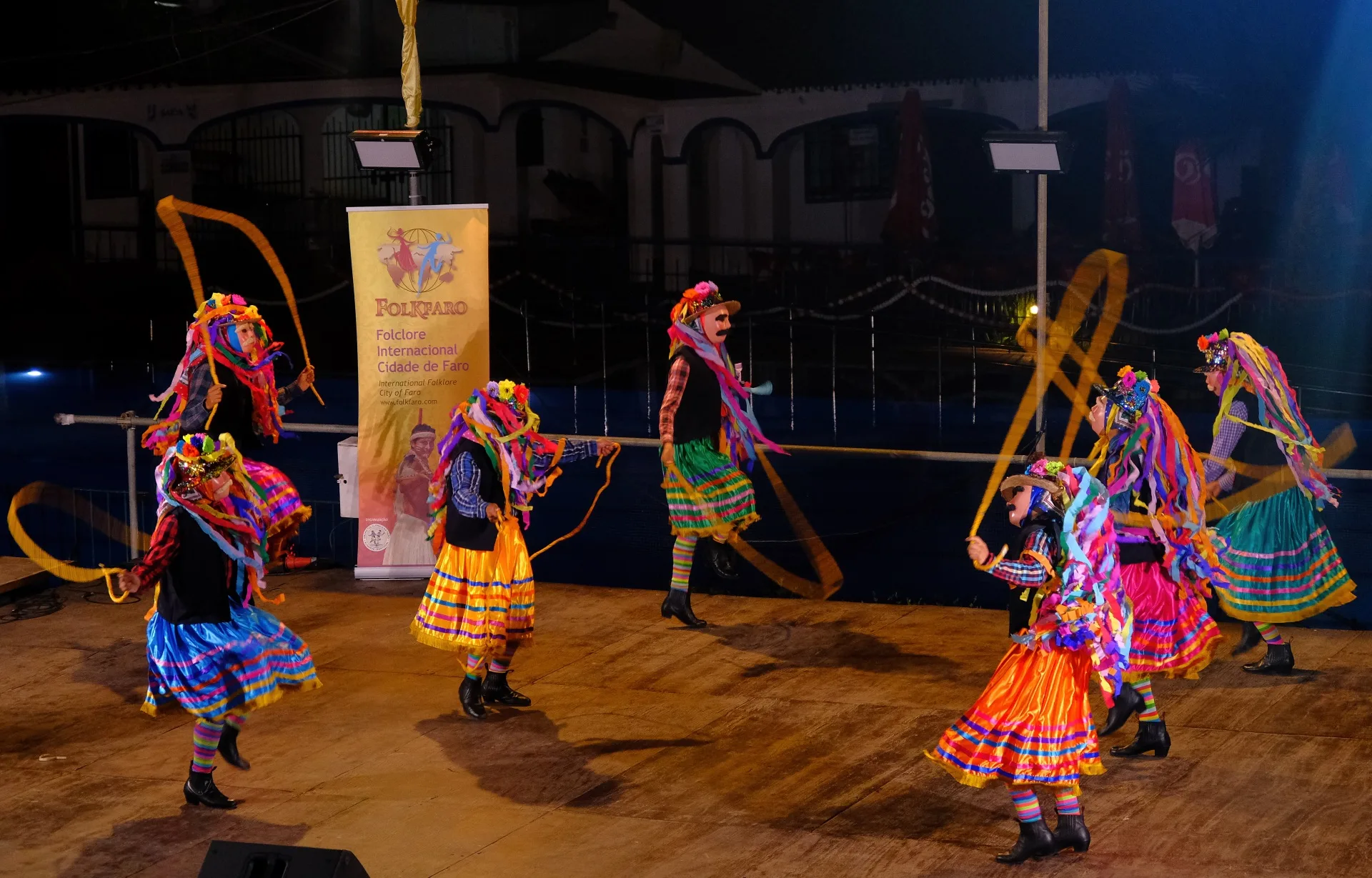
FolkFaro: A Vibrant Tapestry of Traditions
When? Usually 3rd week of August, every year
Where? Multiple Venues in Faro and Faro Region
FolkFaro: The Biggest International Folklore Festival in Southern Portugal
Every year, in the second half of August, the city of Faro transforms into a stage of color, sound, and tradition from every corner of the world. That’s when FolkFaro takes place — the International Folklore Festival of the City of Faro, one of the most anticipated cultural events on the Algarve’s calendar and a must for anyone who wants to experience the authenticity of traditional folk culture. Organized by the Grupo Folclórico de Faro, in partnership with Faro City Council and other regional public institutions, the festival is recognized by CIOFF, the International Council of Organizations of Folklore Festivals and Folk Arts, a non-governmental organization that works with UNESCO to safeguard and promote traditional culture worldwide.
A Celebration of Cultures from Around the World
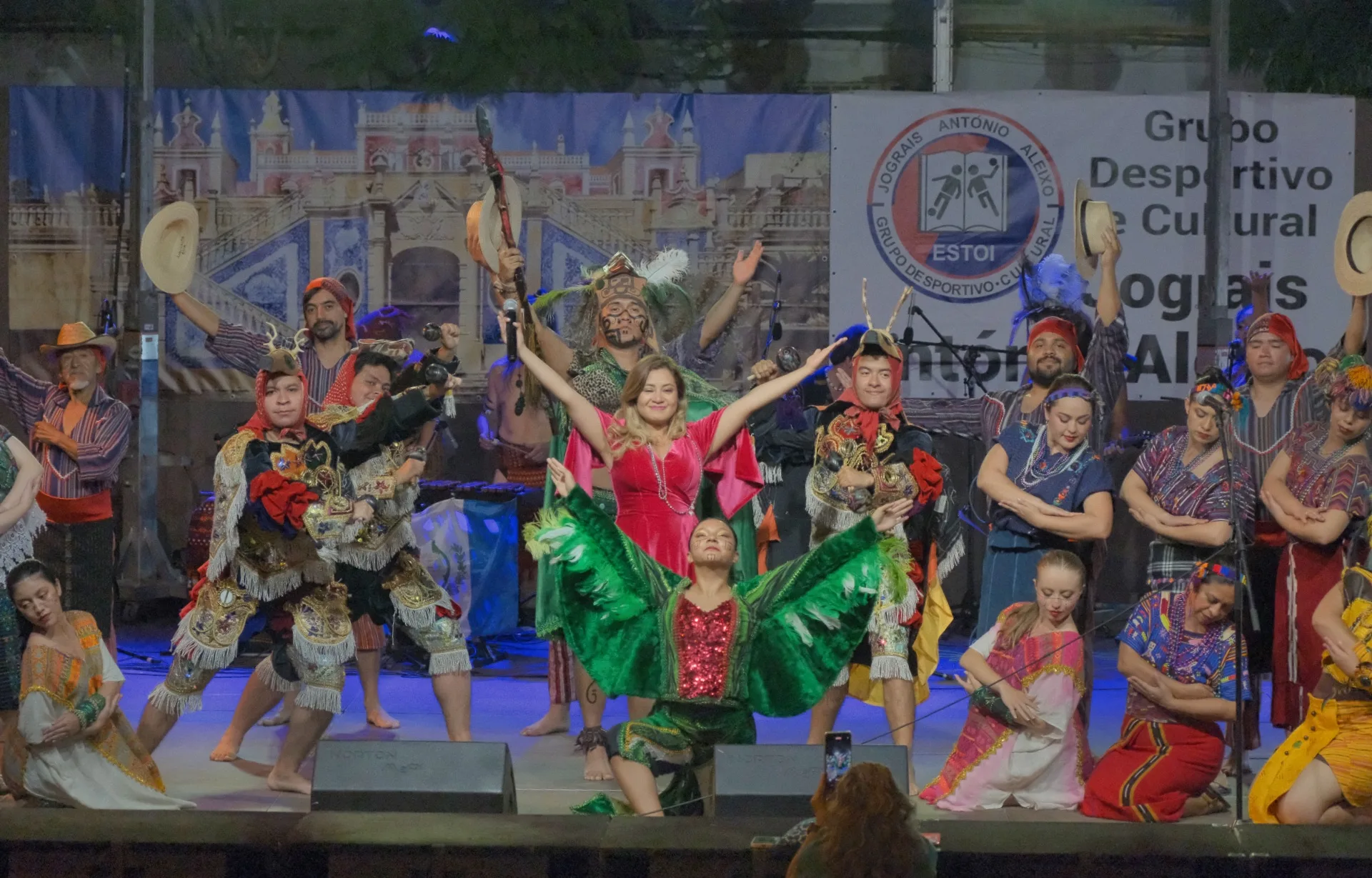
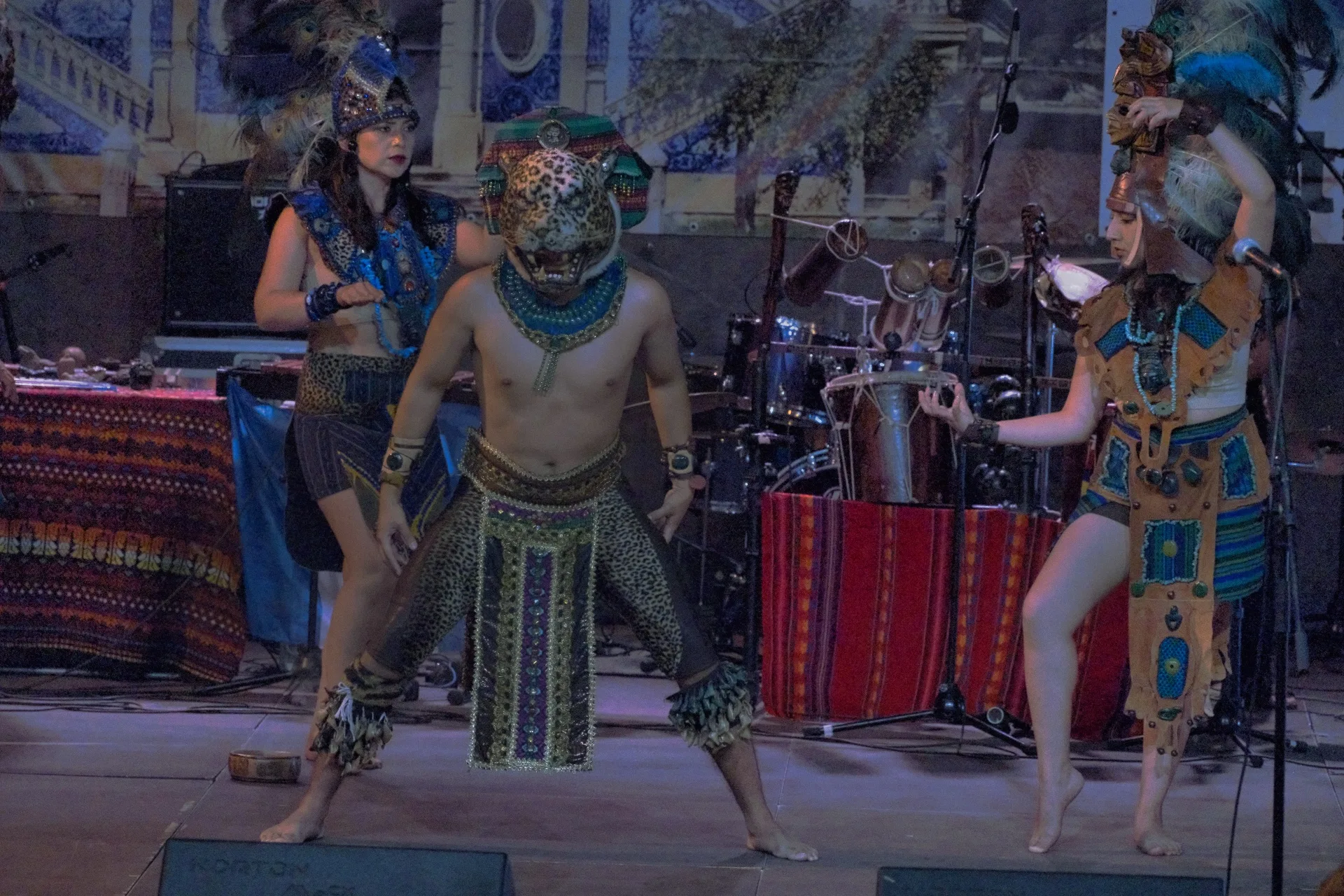
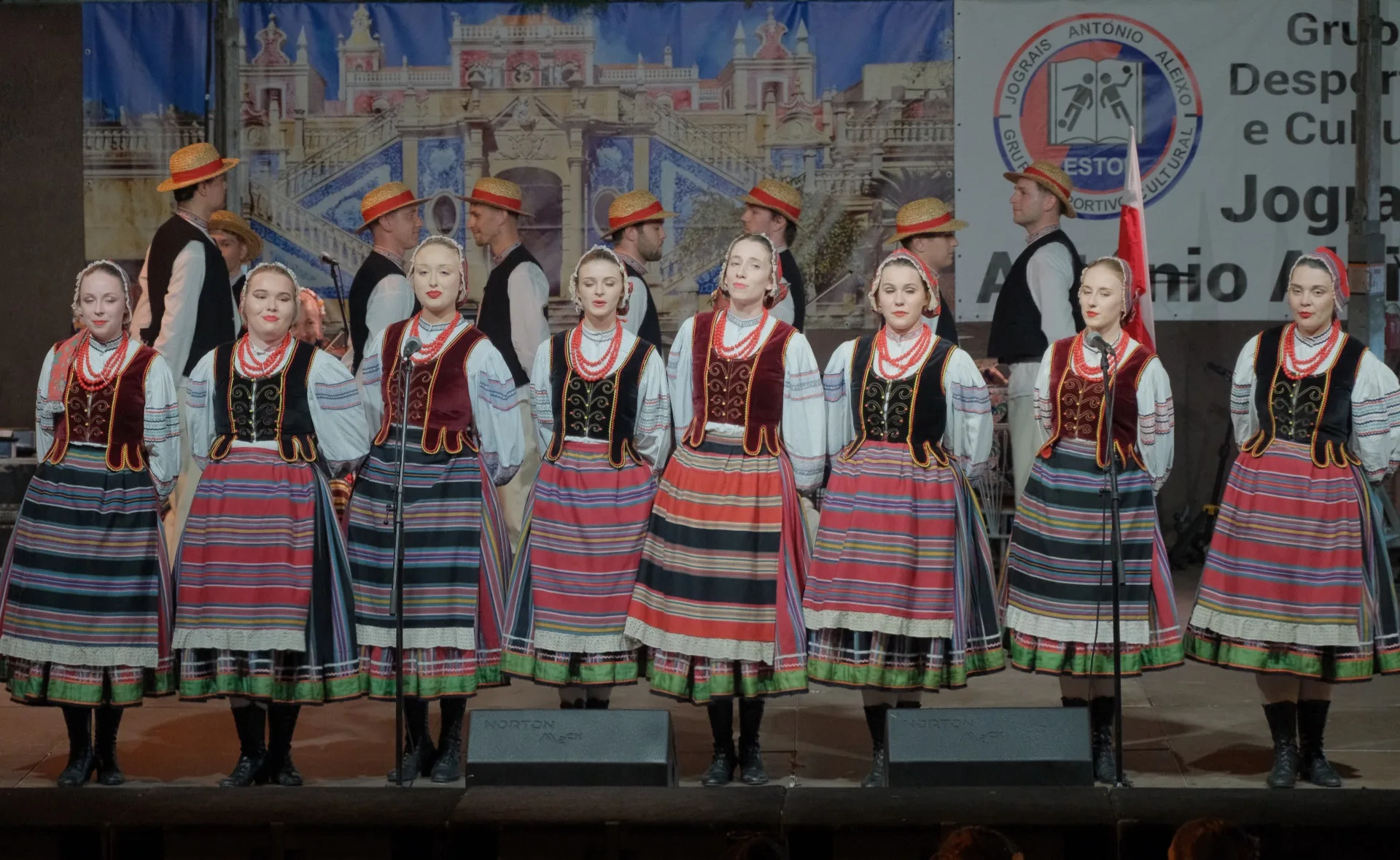
FolkFaro brings together dance and traditional music groups from various countries, who join Portuguese ensembles for a genuinely unique cultural exchange. Over the course of several days, more than three hundred participants — dancers, musicians, and other performers — fill Faro’s streets and stages with the colors of their traditional costumes, set to melodies that cross continents. Over the years, the festival has welcomed groups from countries as diverse as the Netherlands, Armenia, Colombia, and India, which gives a good sense of just how international this event truly is.
The goal of FolkFaro goes well beyond entertainment. At its core, the festival aims to promote friendship and understanding between peoples through the sharing of each represented nation’s cultural richness. In every dance, every song, and every hand-embroidered costume lies a piece of a country’s history and identity, and it’s precisely this heritage that the festival works to preserve and share with its audience.
What to Expect from the Program
During the festival, Faro fills up with activities for all ages. The highlight is usually the opening gala, typically held at the Teatro das Figuras, where all participating groups take the stage together for a performance bursting with energy and color. From there, the festival continues with open-air evening shows, often staged near the Passeio da Doca or other landmark spots in Faro’s old town, where the public can watch the different groups perform free of charge.
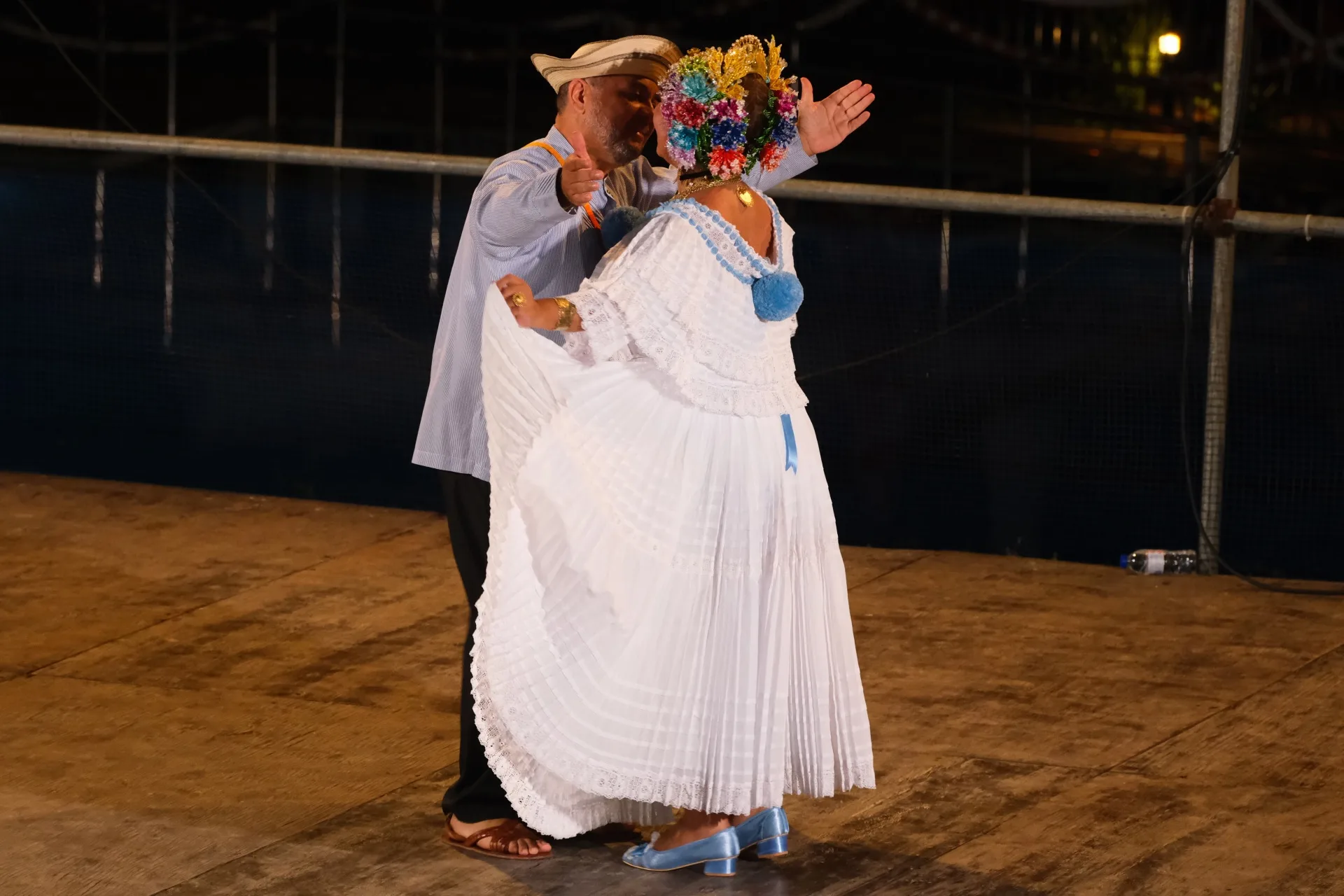
Beyond the nightly shows, the program includes parades through the city streets, daytime street entertainment, dance workshops where visitors can learn a few traditional steps themselves, and programs designed specifically for children and senior citizens. This variety makes FolkFaro a genuinely family-friendly event, capable of appealing both to those looking for a high-quality show and to those who want to get more hands-on with the experience.
Faro as a Natural Stage
Faro wasn’t chosen to host this festival by chance. As the capital of both the Algarve region and its district, the city combines a charming, walled historic center — with narrow streets and quiet squares — with its proximity to the Ria Formosa, a protected natural reserve that lends the area a very particular light and atmosphere. It’s against this backdrop, amid traditional architecture and the relaxed pace of southern Portugal, that the international groups perform, creating a fascinating contrast between local heritage and traditions from distant lands.
For anyone visiting the Algarve in August, FolkFaro offers a rare chance to experience Faro at one of its liveliest, most vibrant moments. Unlike other parts of the Algarve that lean more heavily into beach tourism, Faro holds onto a genuine identity of its own, and the festival reinforces exactly that cultural character — a city that’s also home to the University of the Algarve and the region’s international airport.
How to Watch and Take Part
Most of FolkFaro’s outdoor activities are free to attend, making the festival accessible to residents and visitors alike. The gala performances, usually held indoors at venues like the Teatro das Figuras, tend to have symbolic ticket prices, kept low so cost doesn’t keep anyone away from the experience. It’s worth checking the official program through the organizers or Faro City Council before travelling, since exact schedules and venues can shift slightly from year to year.
Anyone visiting Faro during the festival should also take the opportunity to explore Vila-a-Dentro, the city’s walled historic core, and to walk along the Ria Formosa, especially in the late afternoon, when the setting sun reflects beautifully off the water and the salt pans. Combining the festival with the city’s natural landscape makes for a perfect itinerary for travelers who want to see the Algarve beyond its beaches.
A Tradition That Keeps Thriving
Over more than three decades, FolkFaro has established itself as the largest folklore festival in southern Portugal, drawing thousands of visitors to the city every year. More than just a tourist event, it’s a genuine expression of cultural identity — both Portuguese and international — that continues to bring people from different corners of the world together through the universal language of dance and music.
For anyone planning a late-summer trip to the Algarve, adding FolkFaro to the itinerary is a great way to discover a side of Faro that many visitors miss entirely: a city that, beyond serving as a gateway to the region’s beaches, is also a keeper of traditions that cross borders.
Program Highlights
FolkFaro’s programming is varied and immersive:
- Gala Opening: A celebratory evening at Teatro das Figuras, marking the festival’s vibrant start .
- Evening Performances: Nightly concerts and parades along the Passeio da Doca, combined with street entertainment, craft fairs, and community interaction .
- Extended Reach: Events and performances extend beyond Faro into surrounding municipalities—including Loulé, Olhão, São Brás de Alportel, Tavira, and sometimes Vidigueira—totaling around 11 to 15 localities .
- Inclusive Programming:
- Senior Gala: A dedicated performance for older citizens .
- Children’s Programs: Activities for younger audiences at places like the municipal library and Refúgio Aboim Ascensão .
- Recluses Program: Cultural events held at the local correctional facility, reinforcing social inclusion .
- Workshops and Educational Outreach: Dance workshops at local schools, community engagement efforts, and the planting of a symbolic “Friendship Tree” during a flag-raising ceremony .
- Ecumenical Celebration: A unifying religious-musical celebration held in the Igreja da Sé on the festival’s final day .
- Volunteers: A workforce of volunteers coordinates behind the scenes—managing logistics from reception and catering to stage support and group coordination .