Long before the crowds and sponsored floats of the bigger Carnival cities take over the news, there’s a smaller, scrappier, and in many ways more genuine celebration happening in the hills just outside Faro. Bordeira, a small village in the parish of Santa Bárbara de Nexe, throws what locals consistently describe as the most traditional Carnival in the whole municipality of Faro — and it’s the kind of event that rarely makes it into English-language guides, which is exactly what makes it worth writing about.
A Village Celebration with Deep Roots
The engine behind Bordeira’s Carnival is the Sociedade Recreativa Bordeirense (SRB), a community association founded in 1936 with roots in the region’s cattle-herding traditions. Nearly ninety years later, the SRB is still the group organizing everything — the parade, the masked balls, the costume contests — and it remains the main community association for Bordeira to this day, with support from the Faro city council.
That continuity matters. Unlike some Carnival events that have been reshaped for tourism, Bordeira’s celebration still feels like it belongs to the people who live there. It’s staged not in a purpose-built parade avenue but in the actual streets of the village, and the whole thing runs on volunteer energy rather than corporate sponsorship.
What Actually Happens at Bordeira’s Carnival
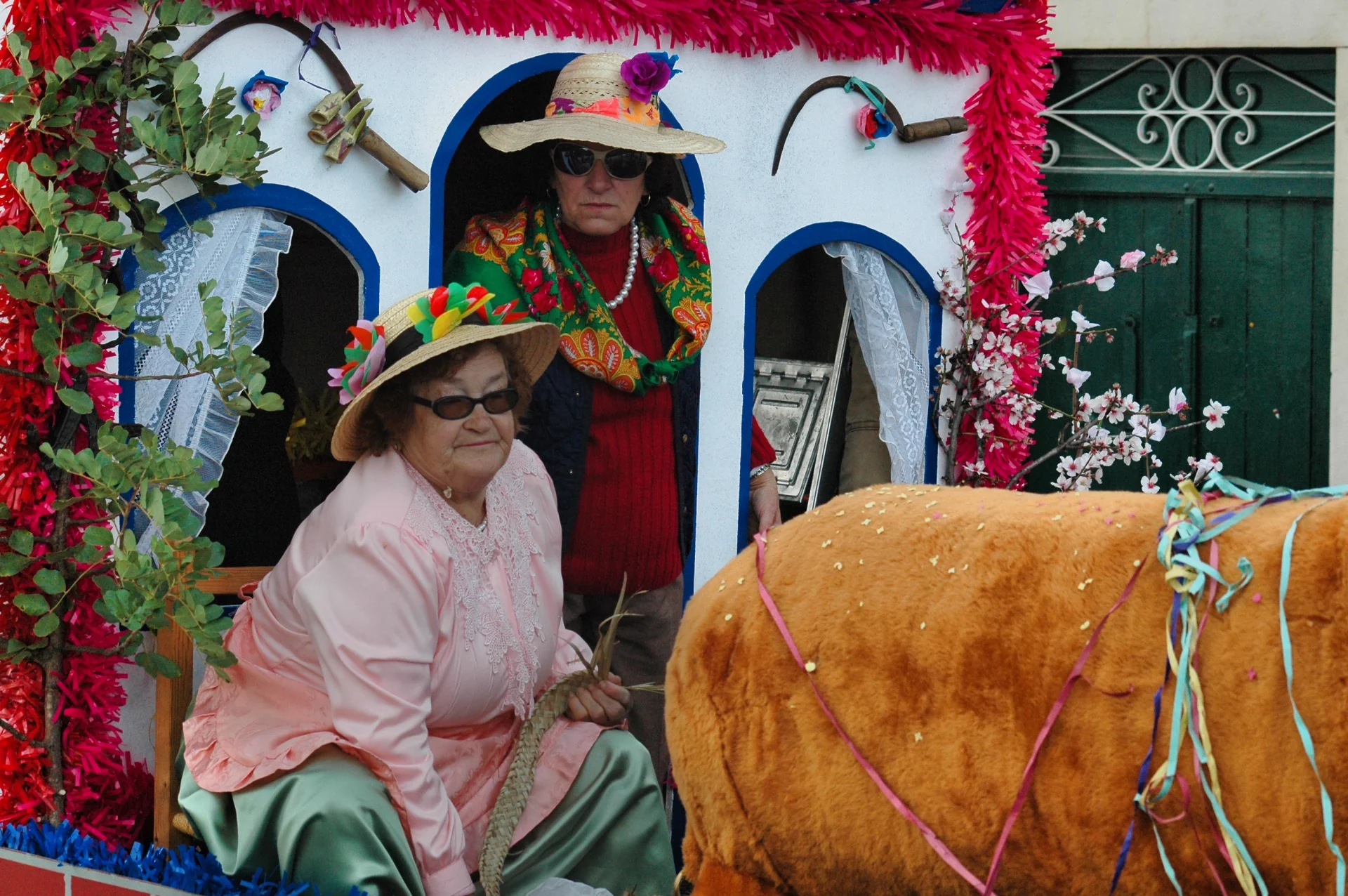
Bordeira’s Carnival typically unfolds over two consecutive days — Sunday and Monday, usually in the second half of February, timed to the shifting Carnival calendar each year. The centerpiece is the Grande Desfile de Foliões (Grand Parade of Revelers), which kicks off in the early afternoon, around 3 pm, and is known for its spontaneity and the strong turnout from both locals and visitors. Costumed groups — foliões — wind through the village streets in a display that prioritizes participation over polish.
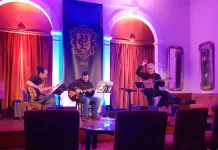
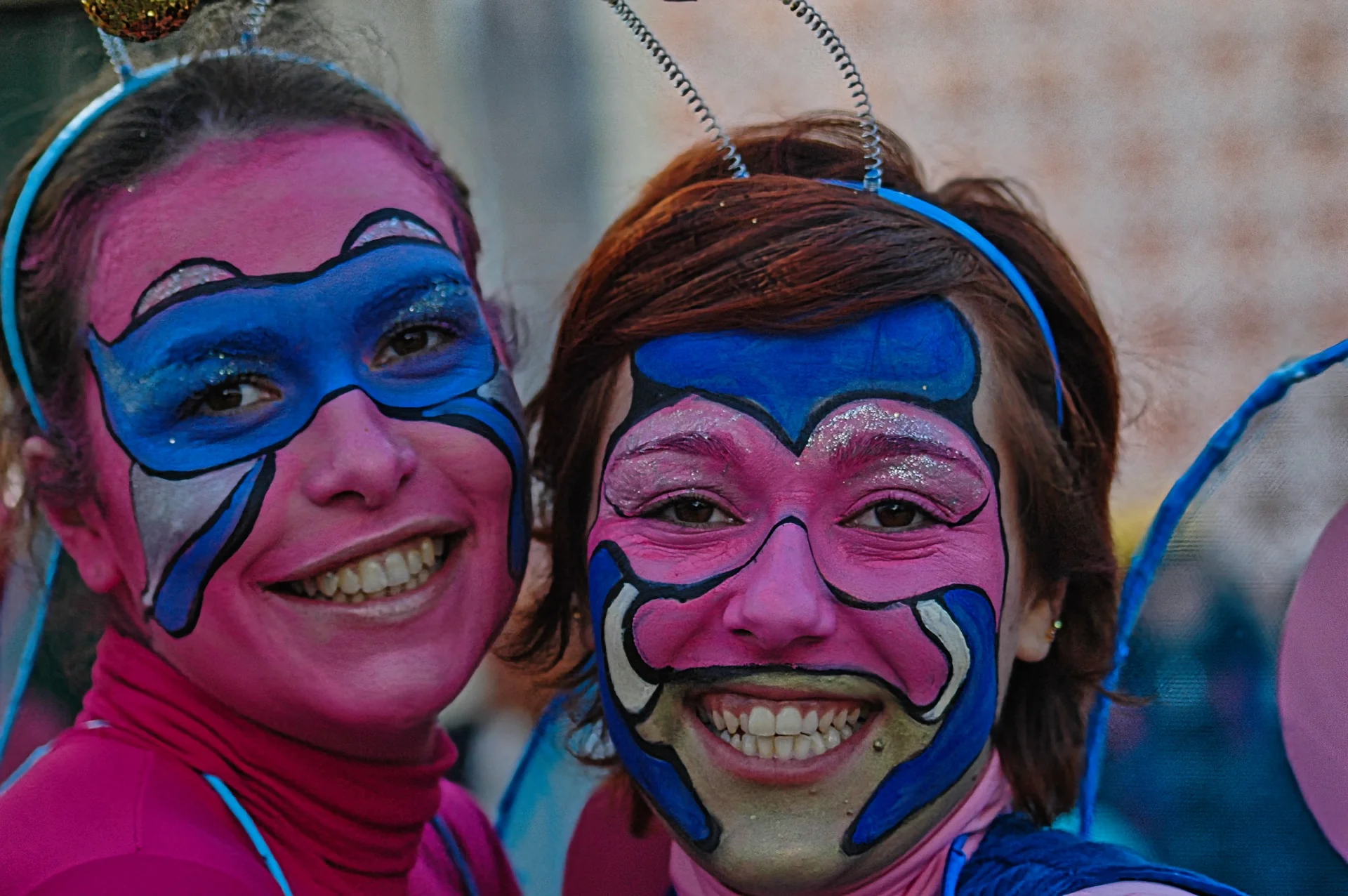
Once the parade ends, the party moves indoors — traditionally to the Centro de Atividades Dona Leonor, more recently to the Centro Cultural e de Inovação de Bordeira (CCIB) — for the second act: masked balls. The masked ball on the Monday is typically led by a live band, with the parade, dances, and costume contests all offering free admission. Alongside the dancing, there’s always a Concurso de Máscaras / Concurso de Disfarces (costume contest), where the best outfits win prizes — a nice incentive for people to put real effort into what they wear.
In recent years the event has also started reaching beyond Bordeira itself. The 2026 programme included stops in the neighbouring villages of Gorjões and São Brás de Alportel, turning what used to be a single-village affair into more of a mini Carnival circuit across the Barrocal — the limestone hill country that separates the Algarve coast from its interior.
Why Bordeira’s Carnival Is Worth Seeing
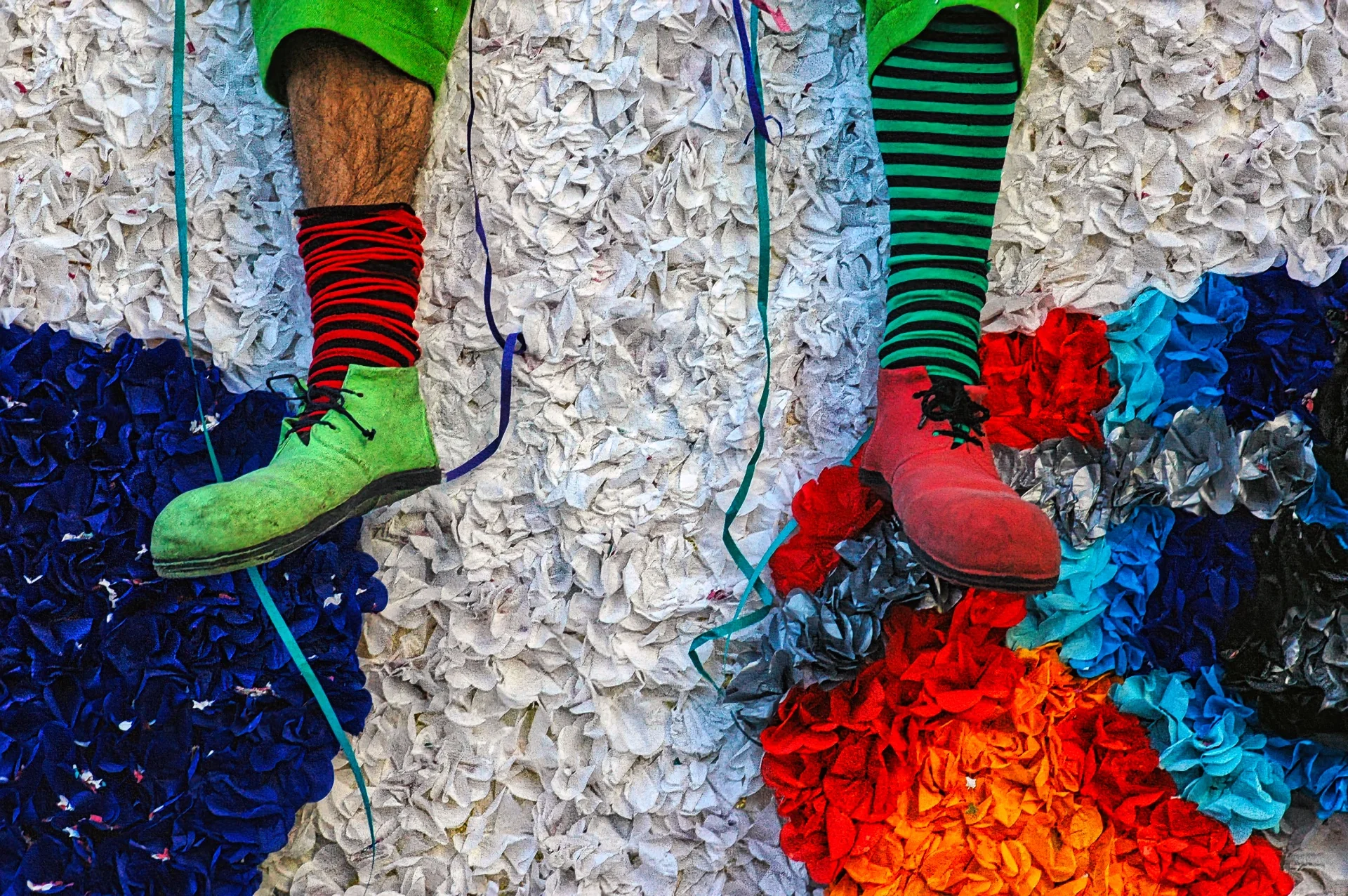
If you’ve spent any time in the Algarve during Carnival season, you’ll know that most visitors gravitate toward the bigger, flashier events on the coast. Bordeira offers something different: a Carnival that hasn’t been engineered for spectators. There’s no ticketed grandstand, no elaborate float construction warehouse — just a village that empties into its own streets once a year to make noise, wear something ridiculous, and dance. For anyone based near Faro who wants to see how Carnival is actually lived by a rural Algarve community, rather than performed for an audience, Bordeira is the one to visit.
A note on Loulé: If Bordeira is Carnival at its most local, Loulé — about 20 minutes away — is the opposite end of the scale, and the most famous Carnival south of Lisbon. Dating back to 1906, it’s recognized as the oldest carnival parade (corso) in Portugal, and its floats, samba schools, and giant satirical figures known as cabeçudos now draw tens of thousands of visitors to the Avenida José da Costa Mealha — nicknamed the “sambódromo louletano” — over three days each year.
What really defines Loulé’s Carnival, though, is its bite: political and social satire has become one of its signature traits, with floats regularly poking fun at politicians, celebrities, and whatever’s dominating the news cycle that year. Recent parades have skewered everyone from presidential candidates to international leaders, all set against floats decorated with flowers inspired by the Algarve’s almond blossoms.
It’s a fair comparison to draw alongside Bordeira: one is a village doing what it’s always done, the other a century-old institution that’s become a genuine tourist spectacle. Worth a full write-up of its own another time.